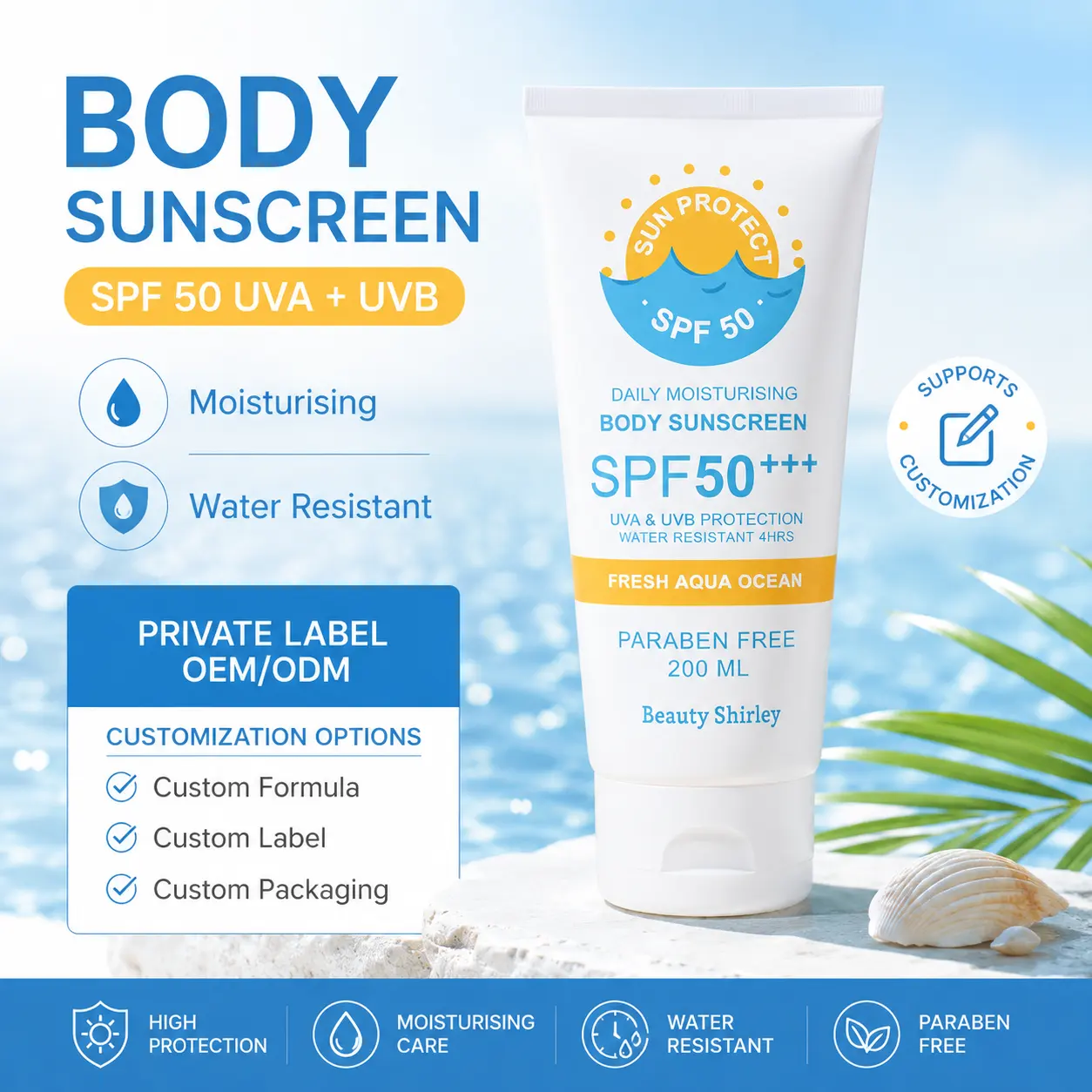
Sunscreen for Asian markets is a regulatory problem disguised as a formulation problem. Japan, Korea, China and the ASEAN states each maintain their own permitted filter list, their own rating system and their own registration path. A formula that passes in one market is frequently notifiable in a second and prohibited in a third, and the difference is usually one filter at 3 percent.
1. The filter lists
The EU list is the largest and permits roughly 30 organic filters. The US list is older and permits fewer, most notably excluding several of the newer broad-spectrum organics. Japan permits a list that overlaps but does not match the EU. China permits a subset and requires a registration or filing for a sunscreen as a special cosmetic, which means a technical dossier and often a testing batch in a Chinese laboratory. Korea aligns closely with the EU but requires its own functional cosmetics review.
2. Rating systems
| Market | UVB | UVA |
|---|---|---|
| EU | SPF | UVA-PF, with the 1/3 rule |
| US | SPF | Broad spectrum, critical wavelength |
| Japan | SPF | PA+ to PA++++ |
| China | SPF | PA+ to PA++++ |
| Korea | SPF | PA+ to PA++++ |
The PA system is measured in vitro and read from the PPD or the UVA-PF value. A product labelled SPF 50+ PA++++ in Japan and broad spectrum in the US is the same formula with two dossiers, not two products – provided the filter list allows it.
3. The EU 1/3 rule and why it constrains design
In the EU, the UVA protection must be at least one third of the SPF. Reaching SPF 50 therefore requires a UVA-PF of at least 16.7, which forces a meaningful UVA filter load. A formula built for a high UVB number with a token UVA filter cannot be labelled in the EU and often cannot use the broad spectrum descriptor in the US either.
4. Registration timelines
EU: notification via CPNP, a few days, with the Product Information File ready. US: no pre-market registration for a cosmetic sunscreen, but MoCRA facility registration and product listing apply, and the OTC monograph route applies if the product makes a drug claim. Japan: a cosmetic notification and, for a quasi-drug claim, a different and slower path. Korea: functional cosmetics review, four to six months. China: special cosmetic registration, six to twelve months including testing.
5. Testing implications
Each market wants its own in vivo SPF, and several require the test to be performed in an accredited laboratory within the jurisdiction. Budget separate testing per market rather than assuming one study travels. Immersion water resistance, UVA in vitro and photostability are commonly required alongside the SPF.
6. Practical sequencing
Build the formula against the most restrictive list you intend to sell into – often the US or China – then add filters for the other markets rather than subtracting them. That way one base serves several dossiers. If the base cannot meet the EU 1/3 rule with the restricted list, plan two bases and accept two SKUs.
7. Commercial reality
A multi-market sunscreen is a 12 to 18-month project. See the sunscreen range, the formulation guide and the MoCRA notes for the US filing.