Hydrogel eye patch manufacturing runs on tighter tolerances than any other mask format, for a simple reason: the piece is small, the sachet is small, and the ratio of seal length to product volume is the worst in the plant. A 20 ml face mask sachet has generous margins. A 5 ml eye patch sachet has almost none, and a 0.2 mm channel in the seal is a leaking unit in a carton three weeks later.
1. The piece itself
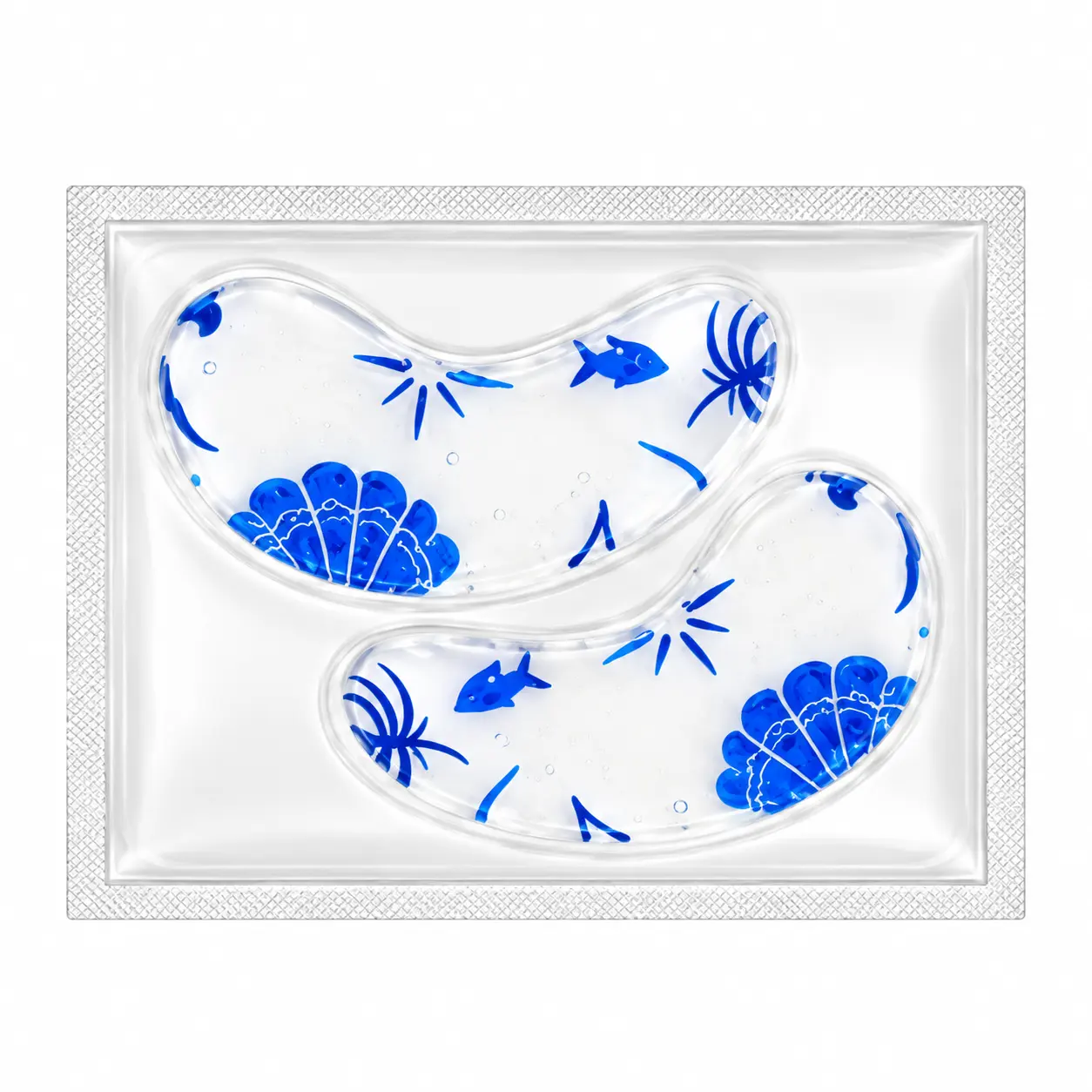
A standard under-eye patch is 5.5 to 7 cm wide and 2.5 to 3.5 cm tall, 1.0 to 1.6 mm thick, cut in pairs from a cast gel sheet. The gel is typically a carrageenan or synthetic hydrogel with glycerin, a humectant load, and actives such as caffeine, niacinamide, a peptide, or hydrolysed collagen. Small pieces dry faster than large ones, so the serum-to-gel ratio in a patch sachet is higher than in a face sachet – 4 to 6 ml of serum per pair is normal.
2. Die cutting and registration
Patches are cut on a rotary die or a flatbed press, and the cut has to register with the cast sheet’s edges or the pair will be asymmetric. A pair that is 2 mm off reads as poor quality, because the customer holds both halves side by side. We inspect cut pairs for symmetry on a light table and keep the die maintained on a 60-day sharpening cycle: a dull die tears the gel rather than cutting it, and the tear is invisible until the patch is handled.
3. Fill and seal, the failure point
Small sachets are filled on a form-fill-seal machine at 40 to 60 units per minute per lane. The controls that matter: fill volume verified by weight every 15 minutes, seal temperature logged per batch, a 100 percent vision check for product in the seal band, and a 48-hour inverted hold on a sample from every batch. Leak rate target is below 0.1 percent – a higher rate on a 5 ml sachet usually means the seal platen is worn rather than that the temperature is wrong.
4. Why pairs, and why some brands pack 60
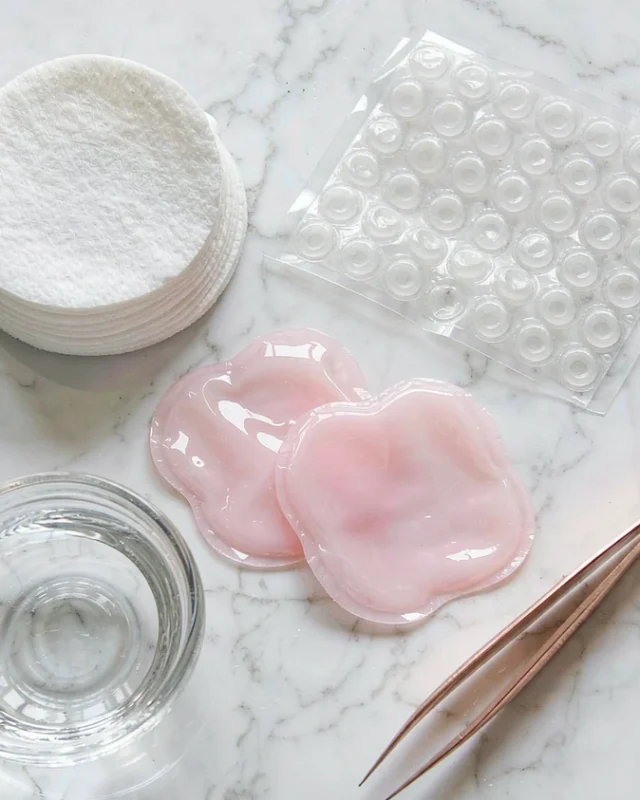
Patches are consumed in pairs, so the sachet holds two. A jar of 60 patches – 30 pairs – is the highest-volume retail format in the category, because it converts a treatment into a two-month supply and lifts the average order value. The jar brings its own risk: patches can dry at the top of the stack, and a stack that shifts in transit becomes a clump. A coated jar with a sealing disc, plus a serum-loaded pad at the top, is the practical answer.
5. The active question
Most patch formulas are simple and effective: caffeine for temporary de-puffing, hyaluronate for hydration, niacinamide for tone, peptides for the firmness story. The active load is limited by the gel’s tolerance – high electrolyte actives destabilise carrageenan, and high acid loads break the gel network. A patch that carries 1 percent caffeine and hydrates well outsells a patch that claims six actives and delivers none of them.
6. Testing regime
- Weight loss at 25 and 40 degrees Celsius, limit 3 percent at three months.
- Adhesion on a standardised substrate after storage, not just fresh.
- Seal integrity, 48 hours inverted, every batch.
- Microbial limits per ISO 17516, plus a challenge test on the serum.
- Patch symmetry and dimensional check on a sample from every production hour.
7. Commercial profile
Stock gel, stock die, 5 ml serum per pair, MOQ 2,000 pairs, 25 to 35 days. A custom shape adds a die charge and three weeks. The eye patch range is the largest format family we run, and the serum load guide covers the actives most often specified for these pieces.