Day cream OEM sits between two categories: a moisturiser with a cosmetic story, and a sunscreen with a regulated number. The moment the formula includes a UV filter and prints an SPF, it is a sunscreen for regulatory purposes, and the testing budget, the label requirements and the registration path all change. Many brands discover this after the artwork is approved.
1. Decide whether the SPF is real
Three positions are possible. A moisturiser with no UV filter and no SPF claim, the cheapest and fastest. A moisturiser with a UV filter and a tested SPF, which is a sunscreen and needs in vivo testing plus UVA data. A moisturiser with a UV filter and no printed number, which is the worst position – the cost of the filter with none of the benefit, and a claim risk if the pack implies protection.
2. Texture with a filter in it
Organic filters are oily and soften a cream; inorganic filters are powders and matte it. A day cream at 25 to 35 percent oil with a 3 to 5 percent organic filter load stays pleasant, and a higher load becomes heavy. Powder-in-water systems and encapsulated filters are used to reach a high SPF in a light texture, and they cost more per kilogram than the filter they carry.
3. The airless advantage
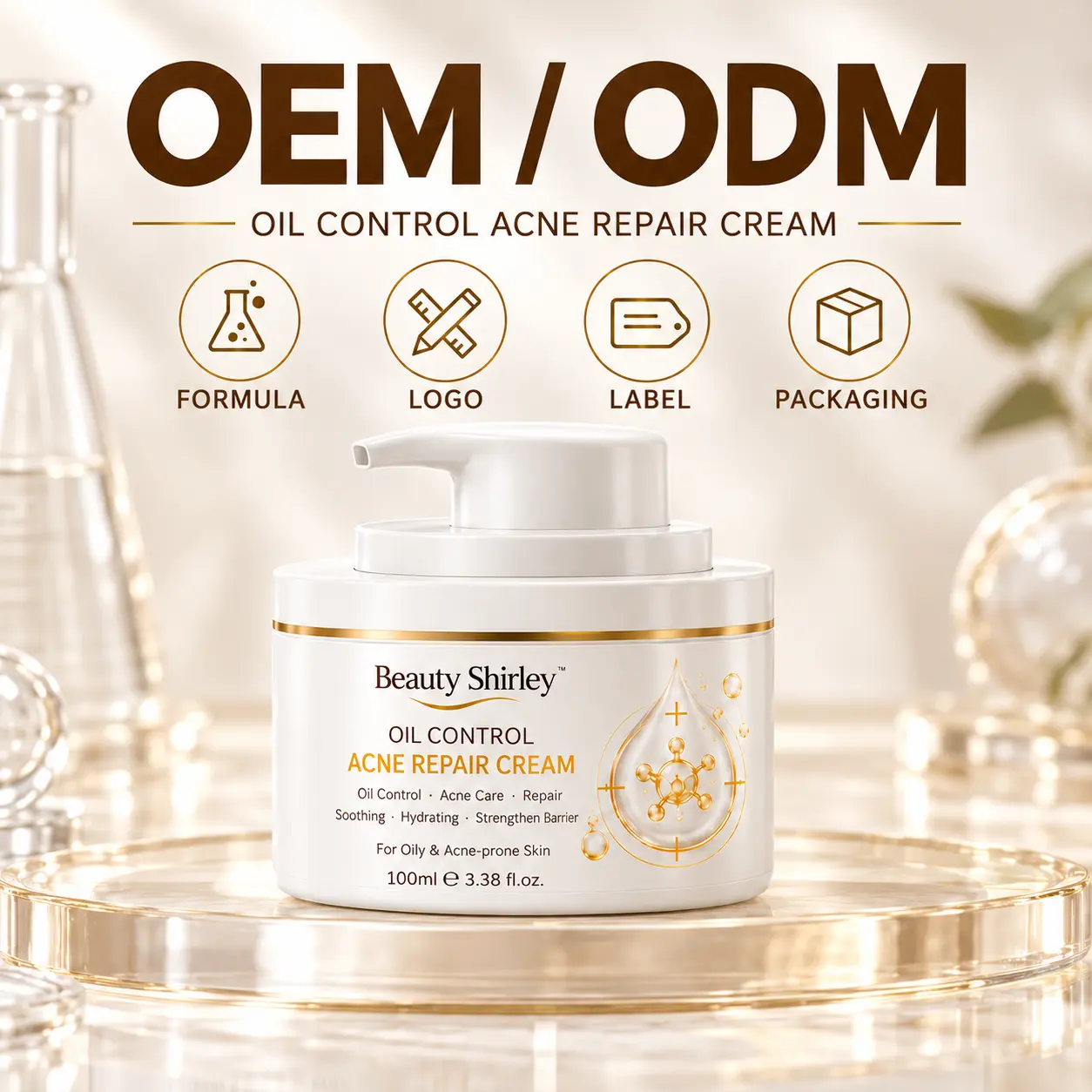
A day cream with a filter is usually packed in an airless bottle, a tube or a pump jar. Airless protects the filter from light and oxygen, delivers a consistent dose, and avoids finger contamination – three reasons it dominates the premium segment. The pack costs two to three times a jar, and it also constrains the formula: an airless pump needs a viscosity under roughly 60,000 centipoise and no particles above the valve clearance.
4. Testing on top of the usual
| Test | Required when |
|---|---|
| In vivo SPF | Any printed SPF |
| UVA-PF or critical wavelength | Broad spectrum or PA claim |
| Photostability | Any UV filter system |
| Stability 3 months at 40C | Always |
| Pack compatibility | Always, especially airless |
| Compatibility with makeup | Pilling and layering claim |
The last item is specific to day creams: a product worn under foundation must not pill. A simple layering test with a standard foundation on ten subjects catches the problem before launch.
5. Actives that survive daylight
Vitamin C at a meaningful level oxidises in a day cream unless it is stabilised or anhydrous; niacinamide is stable and pairs well with a filter; retinol belongs in a night product. Antioxidants are a reasonable day claim, but the evidence for visible benefit is thinner than the marketing suggests. The strongest day claim is hydration plus protection, and both are measurable.
6. Pack and price
A 50 ml airless bottle at a mid-market price is the default. A 30 ml tube is the trial and travel size. A refillable airless shell is increasingly requested in the EU, where packaging waste rules are tightening, and it adds a tooling cost and a refill cartridge SKU.
7. Commercial profile
Stock base plus a filter, 50 ml airless, MOQ 2,000 units, 30 to 45 days after the SPF test. See the cream range and the filter guide before you choose the UV system.