Retinol serum stability is the reason the ingredient migrated from creams in jars to serums in airless pumps. Retinol oxidises in the presence of light, oxygen and heat, and it degrades faster in a low-viscosity, water-containing formula than in a rich cream, because the active is more mobile and more exposed. By the time a customer reaches the end of the bottle, an unprotected formula may be delivering a small fraction of the label dose.
1. The degradation pathway
Retinol oxidises to retinaldehyde and then to retinoic acid, and further to volatile fragments. The process accelerates with heat, with UV and with trace metals. Each step reduces the amount of retinol available and changes the colour toward yellow-brown. A formula that starts colourless and ends brown has lost most of its activity, and the label claim with it.
2. Encapsulation
Encapsulated retinol – in a polymer sphere, a liposome or a cyclodextrin – protects the molecule from light and oxygen and releases it gradually on the skin. Two practical benefits: the stability improves enough to support a 24-month shelf life, and the irritation rate falls because the skin receives a lower peak dose. The cost is roughly double the raw material and a slightly different sensory profile, since the capsules can feel slightly sandy at high load.
3. The pack
Airless is the only sensible choice for a retinol serum. A dropper bottle exposes the product to air on every use and to light for the whole life of the bottle; an amber dropper slows the light problem and does nothing about the air. A single-dose ampoule is the premium answer and the one that supports the strongest stability claim. A tube is acceptable for a cream texture.
4. Formulating around the active
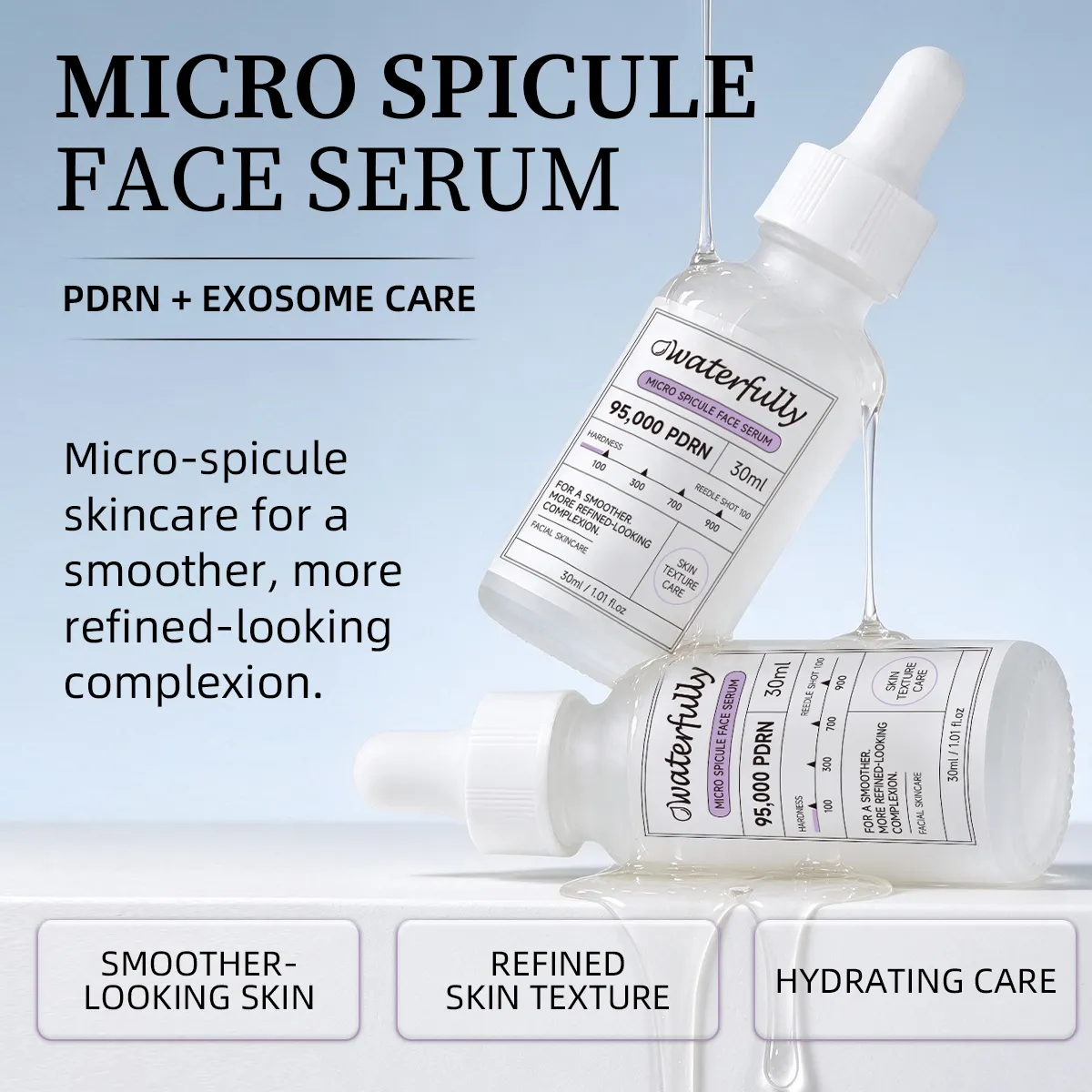
A retinol serum is usually an emulsion or a glycol-rich water base at 20 to 60 centipoise. Antioxidants – vitamin E, BHT, a chelator – are essential. A sunscreen in the same formula is not recommended, because the filter and the retinol compete for stability. pH is less critical for retinol than for acids, but a mildly acidic to neutral range is conventional. A high level of a low-molecular-weight glycol improves both stability and penetration, and both effects are real.
5. Testing that proves the dose
| Test | Timing | What it proves |
|---|---|---|
| Retinol assay by HPLC | 0, 1, 3, 6 months | The dose survived |
| Colour measurement | Same points | Oxidation state |
| Irritation panel | Before launch | Tolerance at the intended dose |
| Pack compatibility | 30 days inverted | No interaction with the pump |
An assay at release only tells you what was filled. An assay at six months tells you what the customer is using, and it is the number a serious buyer will ask for.
6. Claims and labelling
Retinol is a cosmetic ingredient in most markets, but pregnancy warnings and sun-sensitivity advice belong on the pack. A brand that prints a percentage should print the percentage in the formula, not the percentage of a coated raw material – a 0.3 percent encapsulated retinol at 10 percent active is 0.03 percent actual retinol, and conflating the two is a compliance problem.
7. Commercial profile
0.3 percent encapsulated retinol, 30 ml airless, MOQ 2,000 units, 35 to 45 days including the assay programme. See the serum range and the night cream guide for the cream version of the same active.