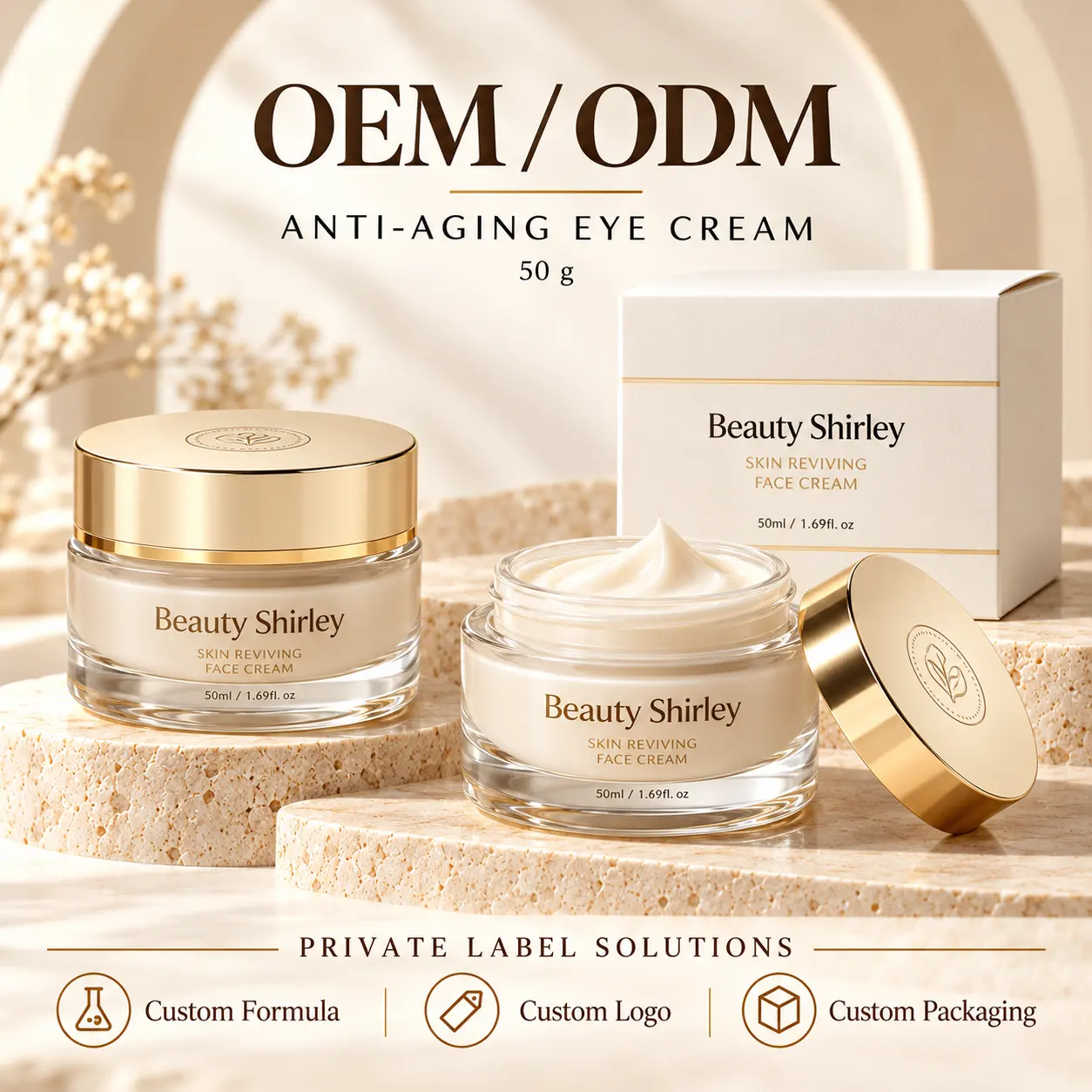
Night cream formulation starts from a different premise than a day cream: no UV, no makeup compatibility, and eight hours of uninterrupted contact. That allows a heavier texture, a higher active load and a slower delivery, and it also means the product is judged by the pillow and the morning mirror rather than by how it wears under foundation.
1. The occlusion target
An overnight cream should reduce transepidermal water loss without sealing the skin. A 20 to 30 percent emollient load with a low level of petrolatum or a heavy ester achieves that; a 50 percent petrolatum ointment is a barrier product, not a night cream. Measure TEWL before and after a single application, and again after eight hours on a panel: a 20 to 30 percent reduction is a realistic target.
2. Retinoid dosing
Retinol at 0.1 to 0.3 percent is the retail range for a leave-on night cream; 0.5 percent and above is a specialist product with a purge period and a higher irritation rate. Encapsulated retinol delivers a lower peak concentration with a similar cumulative effect and fewer complaints, at roughly twice the raw material cost. A night cream with retinol needs an opaque or airless pack, a stability programme that measures actives at 3 and 6 months, and an irritation panel.
3. Peptides and the layering question
Peptides are compatible with most night formulas and add a firming story that pairs with the retinoid. The conflict story – peptides and acids cannot coexist – is largely a matter of pH: a copper peptide needs a pH near neutral, while an AHA night cream sits at pH 3.5 to 4. If both are wanted, they belong in separate products or a two-chamber pack.
4. Texture families
Rich cream: high oil, high emulsifier, classic and the safest for dry skin. Gel cream: lower oil, a polymer network, matte finish, better for combination skin. Sleep mask: a gel or a balm with a film former, used two to three nights a week rather than nightly. Ointment: petrolatum-dominant, for compromised skin only. The category label on the pack should match the texture, because a night cream that looks like a gel and behaves like an ointment creates a return.
5. Fragrance and the overnight exposure
An eight-hour leave-on with fragrance is a longer exposure than a day cream. Fragrance at 0.2 percent or below, allergen-declared where required, is the practical ceiling. Many premium night creams are fragrance-free and use a neutral base odour instead, which is also easier to defend in a sensitive-skin claim.
6. Stability and pack
Retinol, vitamin C and unsaturated oils all degrade. A jar lets in air and light and shortens the usable life; an airless jar or a tube is the correct pack for an active night cream. Test the pack at 30 days inverted for leakage and at 3 months for product loss at the shoulder.
7. Commercial profile
Stock base, 50 ml airless jar, MOQ 2,000 units, 30 to 40 days. A retinoid at 0.3 percent with encapsulation adds four to six weeks for stability and tolerance. See the cream range and the retinol stability notes before you set the dose.




