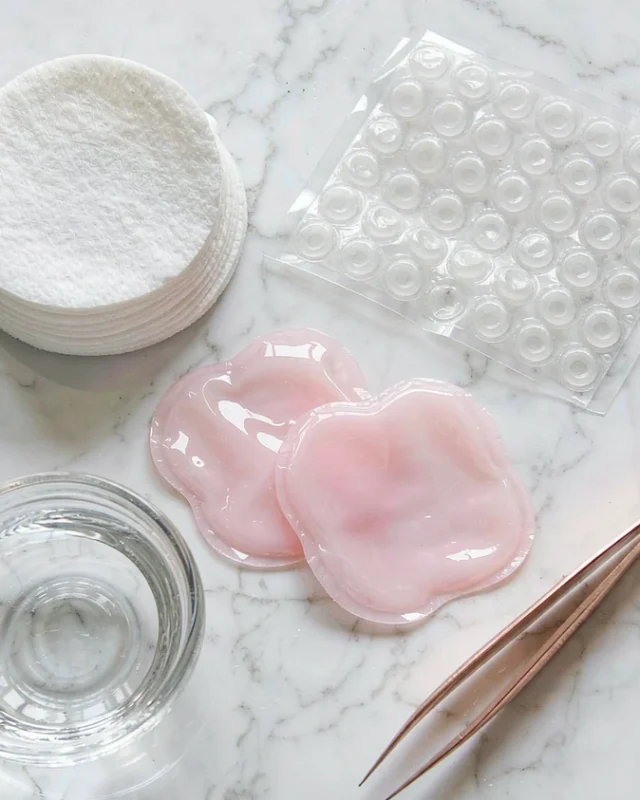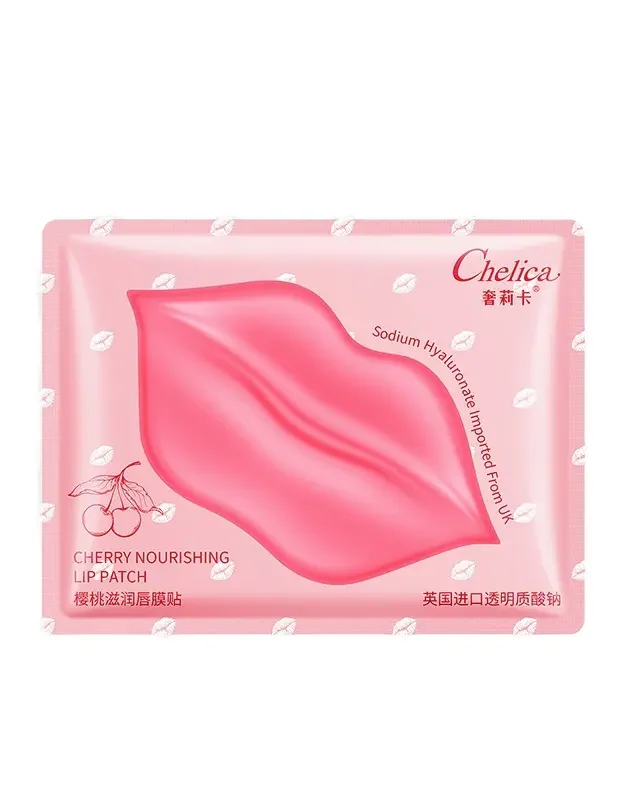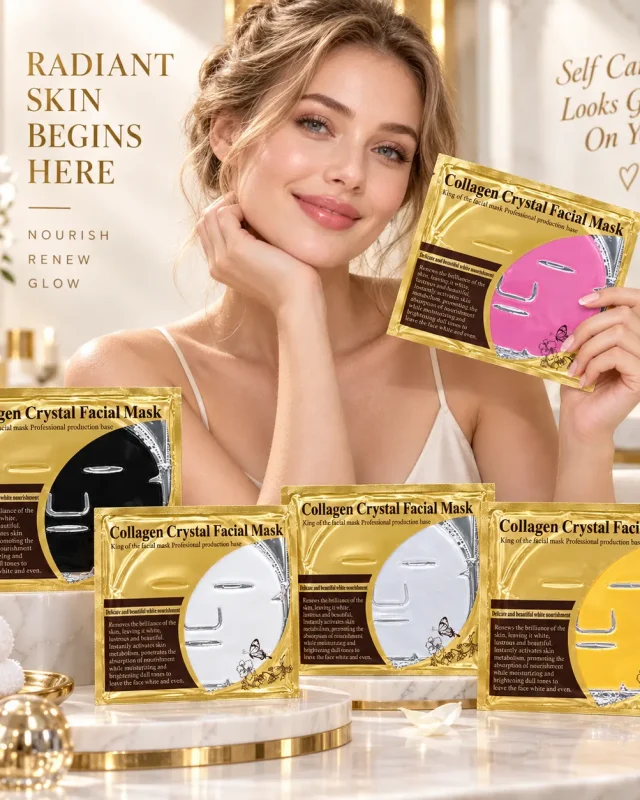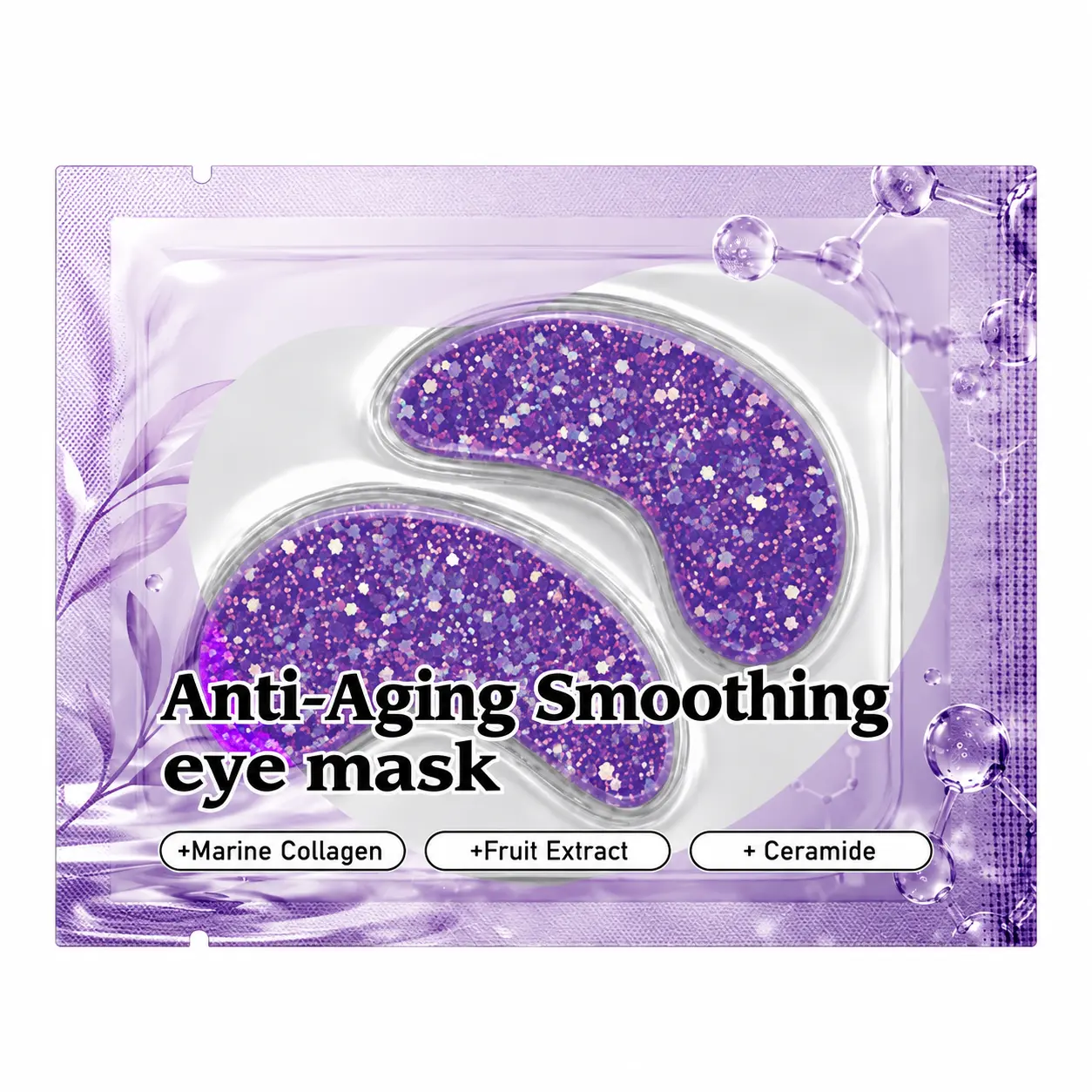
Silicone eye mask OEM is the reusable end of the eye category: a soft silicone pad worn under the eyes for 15 to 30 minutes, washed, and reused for months. The economics look attractive because there is no serum to fill and no sachet to seal. The risk sits entirely in durability, because a reusable product that loses its shape or its tack after ten washes generates a refund, and the brand has already booked the repeat purchase into its forecast.
1. Material and hardness
Medical-grade or cosmetic-grade silicone at 20 to 40 Shore A is the workable range. Softer than 20 and the pad will not hold its shape; harder than 40 and it does not conform to the orbital curve. A two-layer construction – a soft skin-contact layer over a firmer backing – is the usual compromise and is why the better reusable masks feel like they grip rather than press. Platinum-cured silicone is preferred over peroxide-cured for skin contact because the by-products are lower and the odour is cleaner.
2. How it stays on without adhesive
Reusable eye masks rely on surface tension and a slight vacuum created by the curved inner face, not on glue. That means the inner surface finish matters more than the material: a matte, slightly textured inner face holds better than a polished one, and a perfectly smooth pad slides. We specify the inner surface roughness and test retention on ten subjects for 20 minutes, including talking and walking.
3. Cooling and warming variants
A gel-filled silicone mask can be refrigerated for a cooling effect or warmed for a soothing one. The gel must be non-toxic and the pouch must be sealed to a burst pressure well above handling force, because a gel mask that leaks in a bathroom is a safety complaint, not a quality complaint. A solid silicone mask cannot be thermally charged and should not claim cooling beyond ambient temperature.
4. The wash test
The durability claim needs a protocol: 30 wash cycles in lukewarm water with a mild soap, air dried, with shape retention, hardness, colour and surface tack measured every ten cycles. A pass means the pad returns to within 5 percent of its original dimensions and still retains on the skin for the full wear time. A mask that passes at cycle 10 and fails at 25 supports a 20-use claim, not a 3-month claim. Write the claim to the data.
5. Hygiene and instructions
A reusable product that sits on the face needs a cleaning instruction on the pack, not in a leaflet. Wash after each use, air dry, store in the supplied case, replace after the stated number of uses. A storage case is not optional – a silicone pad rattling in a bathroom drawer picks up lint, and lint is what the customer blames for a breakout.
6. Packaging and price point
A reusable mask sells at a multiple of a single-use patch and needs packaging that signals durability: a rigid case, a printed sleeve, and a visible instruction panel. A polybag with a hang tag undercuts the price the product needs. A two-piece set – one cooling, one standard – supports a gift price point without a second mould.
7. Commercial profile
Stock mould, 2,000 sets MOQ, 30 to 40 days because of tooling and wash-cycle validation. A custom shape needs a mould, eight to twelve weeks, and a mould fee. See the eye mask range, and the collagen mask comparison if you are deciding between reusable and single-use.