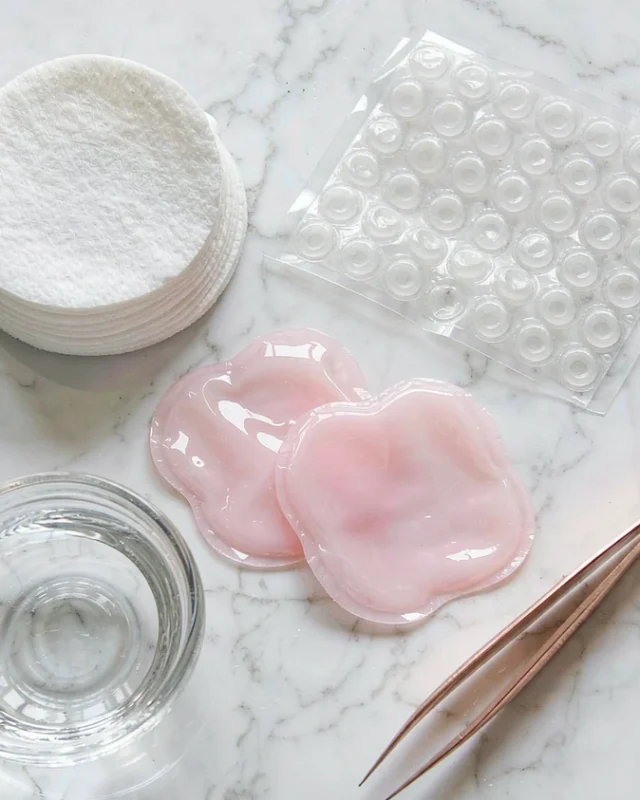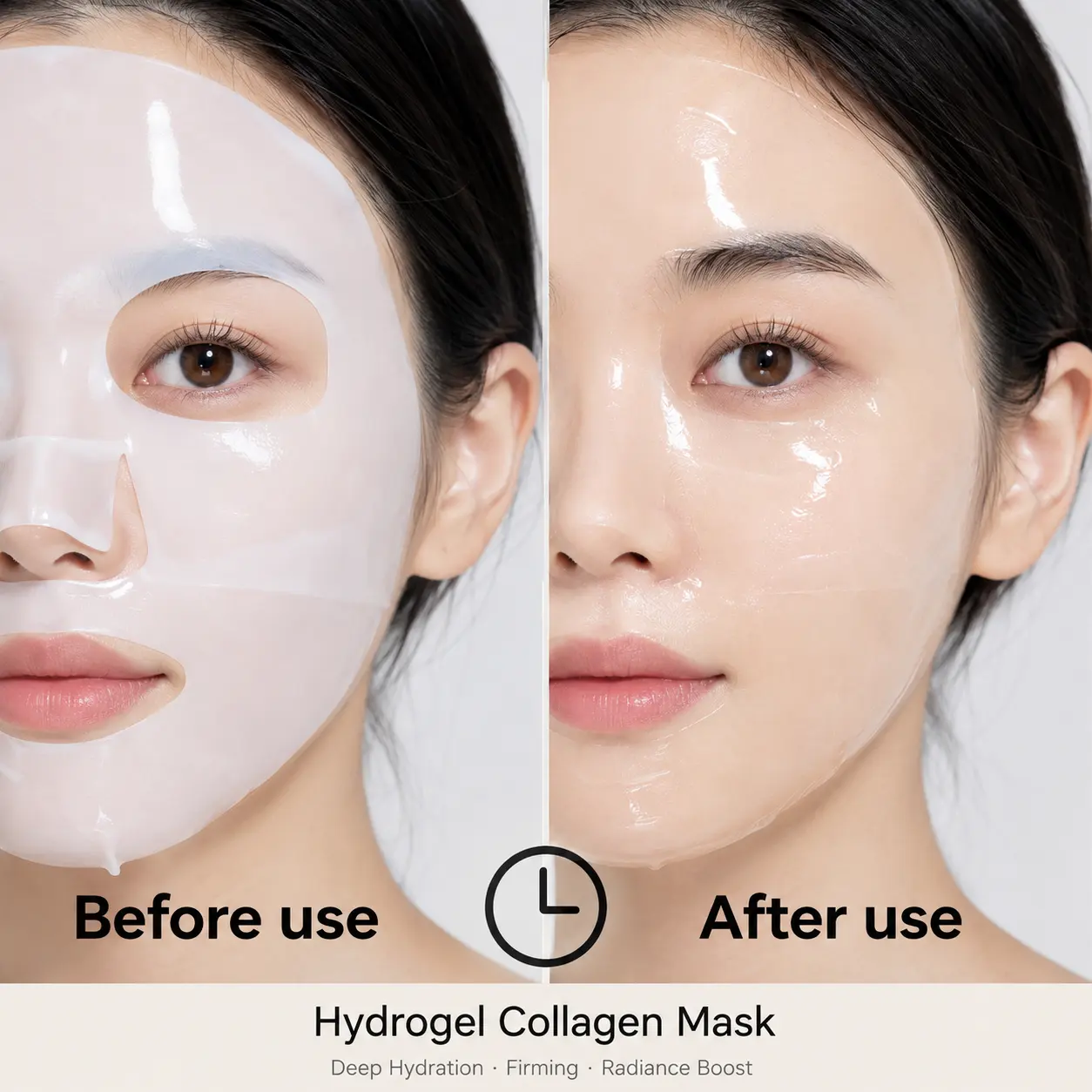
Segmented facial mask exists because most faces are not one skin type. The T-zone is oilier, the cheeks are drier, and a single mask formula is a compromise that satisfies neither. Splitting the sheet into an upper and a lower piece lets a brand dose two formulas in one treatment, and it also solves a fitting problem: a two-piece sheet conforms to more face shapes than a single piece does.
1. Two formats, two economics
The simplest version is one sachet containing two pieces of the same sheet, split at the nose line, with one serum. That is a fitting and comfort play, not a formulation play, and it costs almost nothing extra to produce. The more ambitious version is two sachets, two formulas – a clay or salicylic gel for the upper zone, a rich humectant gel for the lower – sold as one treatment. That doubles the fill, the sachet and the pick-pack, and it is where most of the category’s margin either appears or disappears.
2. Where to split the sheet
The split line matters more than the formula. Splitting at the bridge of the nose gives good coverage and a seam that is invisible in use. Splitting above the nose leaves the bridge bare. The upper piece should overlap the lower by 3 to 5 mm so the two do not gap when the wearer moves the jaw, and the overlap has to be on the same side on every unit, or customers will notice the inconsistency. We cut the upper and lower from the same die set with a shared registration mark.
3. Formula pairing that reads as intentional
The upper formula usually carries the absorbent or exfoliating story: a low clay load, a mild acid, or a niacinamide level that targets sebum appearance. The lower formula carries the hydration story: a high glycerin load, ceramides, panthenol. The two must be visually distinguishable – a light grey upper and a milky lower is enough – because if they look identical the customer cannot tell the format apart from a standard sheet mask, and the price premium has no justification.
4. Filling two formulas on one line
Two formulas mean two bulk tanks, two fill heads, and a changeover or a dual-lane filler. The cleanest arrangement is a two-lane sachet filler running both lanes simultaneously, with a colour-coded seal to prevent mixing. A single-lane line filling formula A, then flushing, then filling formula B costs 30 to 45 minutes of downtime per batch and creates a cross-contamination risk that a quality audit will flag. If a supplier proposes this, ask for their line clearance record.
5. The pack as instruction
Customers get the zones wrong. A two-sachet pack should be printed with a face diagram showing which piece goes where, and the upper sachet should be labelled step 1. A single sachet holding both pieces needs the pieces physically stacked in the correct order with a divider, or the customer applies the clay side to the cheek.
6. Testing
A fit test on both pieces across the three standard face patterns. A stability programme on both formulas in their own sachets. And a use test that measures whether customers actually applied the correct piece to the correct zone – if 20 percent get it wrong, the pack design is the problem, not the formula.
7. Commercial profile
Single-sachet two-piece version, MOQ 1,000, 25 to 35 days. Dual-formula version, MOQ 2,000, 30 to 40 days plus artwork for two sachets. See the segmented mask page, and the fit testing protocol before you approve a new split line.