Makeup primer OEM is the product most likely to produce a complaint that the brand never anticipated: pilling, the rolling of the primer into small fibres under the foundation. Pilling is not a defect in the primer alone. It is an incompatibility between two films, and it can only be tested by applying the primer and the foundation in sequence on skin.
1. Silicone primers
The classic blur primer is a silicone elastomer blend at 20 to 40 percent in a volatile carrier, which fills texture and leaves a matte, powdery finish. It works well under a silicone foundation and badly under a water-based one, because the two films do not bond. Silicone primers also do not mix with water-based skincare, so a hydrating serum applied underneath can cause the primer to slide rather than set.
2. Water-based primers
A water-based primer is a light gel with glycerin, a polymer and often a small amount of a film former. It hydrates and gives a slight tack that holds foundation, and it is the better choice under a water-based or a lightweight foundation. It does not blur texture as effectively as a silicone elastomer, so the brief has to choose between blur and compatibility rather than assuming both.
3. The pilling test
Apply the full routine the brand intends to recommend – serum, moisturiser, primer, foundation – on ten subjects, with a 60-second interval between layers, and inspect at 5 and 30 minutes under a fixed light. Pilling usually appears in the first two minutes as small rolls at the hairline and the jaw. Score it on a 0 to 3 scale and reject any combination that scores 2 or above. This test costs one day and prevents the most common negative review in the category.
4. Blur and the claim
Blur is measurable: a standardised photograph under oblique lighting, or a profilometry scan of a texture replica before and after application. A primer that reduces visible texture by 20 to 30 percent supports the claim. A primer that claims to make pores invisible is overreaching, and the photography in the campaign should be honest about the lighting.
5. Skin benefits and the skincare crossover
A primer can carry skincare ingredients – niacinamide, hyaluronate, a low level of salicylic acid – and it is increasingly marketed as a hybrid. The constraint is that the ingredient load has to stay below the level at which it changes the film. A primer with 5 percent niacinamide often feels sticky and almost always pills. Two to three percent is the useful range for a hybrid claim.
6. Packaging and the dose
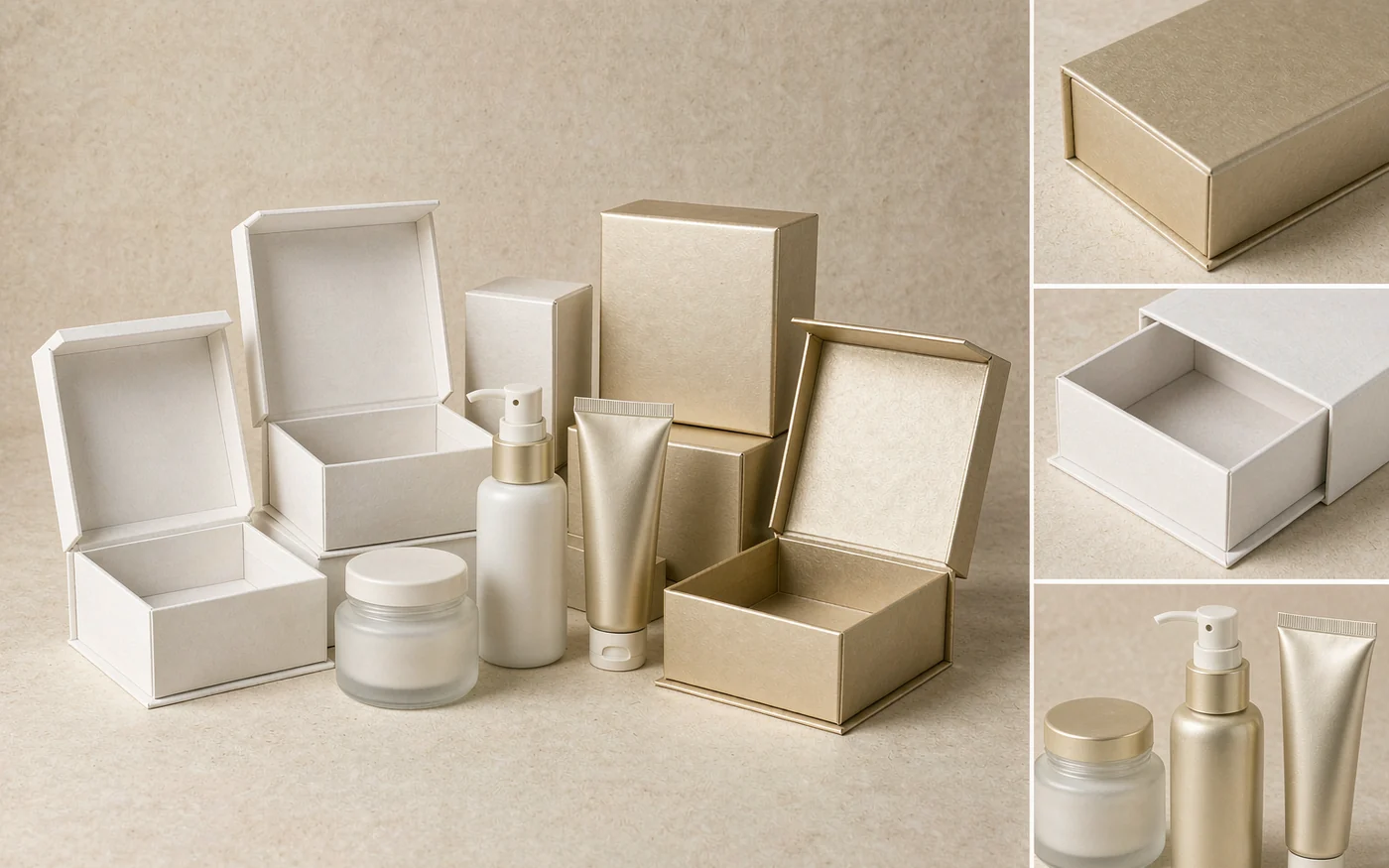
A 30 ml tube with a pump is the standard; a jar is unhygienic for a product applied to the whole face; a stick format is a recent niche. The pump should deliver 0.3 to 0.5 ml per stroke, which is the dose for a full face. A primer that doses 1 ml per stroke empties in a month and reads as poor value.
7. Commercial profile
Silicone blur primer, 30 ml tube, MOQ 3,000 units, 25 to 30 days. See the face makeup range and the foundation guide for the product that sits on top.