Peptide serum development is a category where the number of available molecules vastly exceeds the number of molecules with published human data. A brand can choose from hundreds of peptides, most of them with in vitro evidence and a plausible mechanism, and a few with real clinical support. Knowing which is which decides whether the product is a story or a treatment.
1. The four classes
Signal peptides: short sequences that mimic a fragment of collagen or a growth factor and signal the skin to produce more matrix. Carrier peptides: a sequence that carries a trace metal, usually copper or manganese, into the skin to support repair. Neurotransmitter-inhibiting peptides: marketed on a muscle-relaxing analogy, with the weakest evidence of the four. Enzyme-inhibiting peptides: used for a brightening story. Each class behaves differently, and a serum that stacks four of them at low doses is usually a marketing formula rather than a working one.
2. The dose
Most published work sits at 2 to 5 percent of a peptide solution that is itself a few percent active, which means the actual peptide in the finished product is often under 0.1 percent. That is not necessarily too little – peptides are potent at low concentrations – but it does mean that two products claiming the same peptide can differ by an order of magnitude in dose. Ask for the assayed content in the finished formula, not the percentage of the raw material.
3. Copper peptides and the compatibility rules
A copper peptide needs a pH near neutral and cannot coexist with a strong acid, a high level of vitamin C or a chelator that binds copper. It also discolours in the presence of some preservatives and can turn a clear serum blue-green. A brand that wants copper peptides and an AHA in one routine needs two products, used at different times of day. This is a genuine chemical constraint, not a marketing invention.
4. Stability and the pack
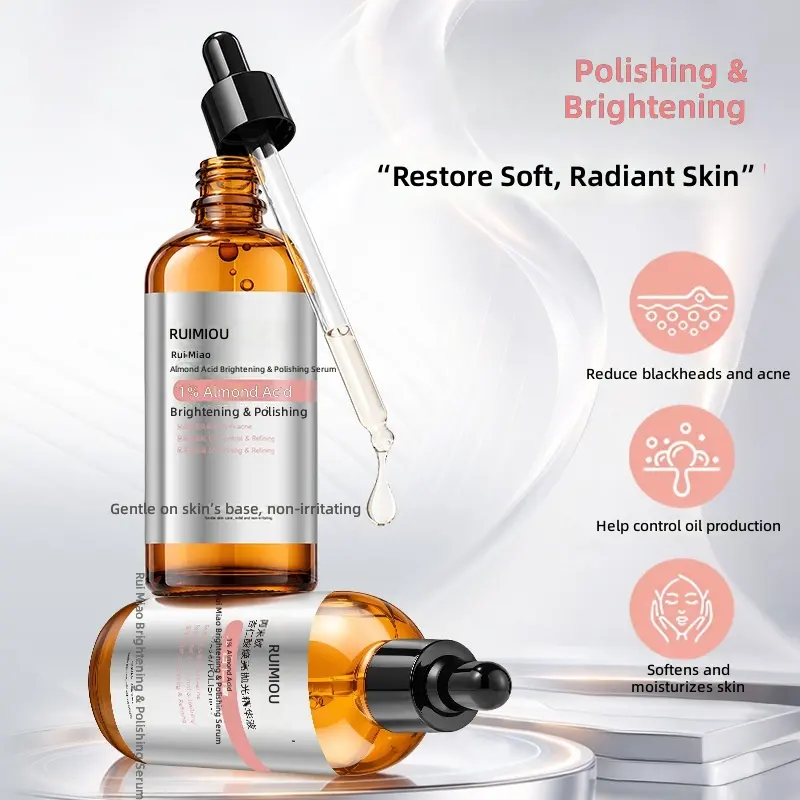
Peptides are susceptible to hydrolysis and to microbial degradation, and some are sensitive to heat above 40 degrees Celsius. A water-based serum needs a preserved, airless or opaque pack and a stability programme with an assay at three and six months. A peptide serum in a clear dropper bottle on a bathroom shelf is a product with an undocumented shelf life.
5. Claims that hold up
| Claim | Evidence needed |
|---|---|
| Smoother-looking texture | Visual grading or profilometry, 8 weeks |
| Improved firmness | Cutometer or ballistometer, 8 to 12 weeks |
| Reduced appearance of lines | Photographic grading plus instrumental |
| Supports natural collagen | Mechanism-based wording, no number |
A peptide serum that claims to rebuild collagen in four weeks is claiming a rate of change that no topical product achieves. The wording that survives review is about appearance and support, with the study design stated alongside.
6. Texture and the layering problem
Peptide serums are usually light, at 20 to 40 centipoise, with a humectant stack. They layer under a moisturiser without trouble, but they can pill under a heavy silicone primer. Test the sequence, not just the serum: cleanser, peptide serum, moisturiser, sunscreen and foundation, on ten subjects, scoring for pilling at each step.
7. Commercial profile
A two-peptide blend at 3 percent of a 5 percent solution, 30 ml airless, MOQ 2,000 units, 30 to 40 days. See the serum range and the hyaluronic guide for the hydrating base that most peptide serums sit on.