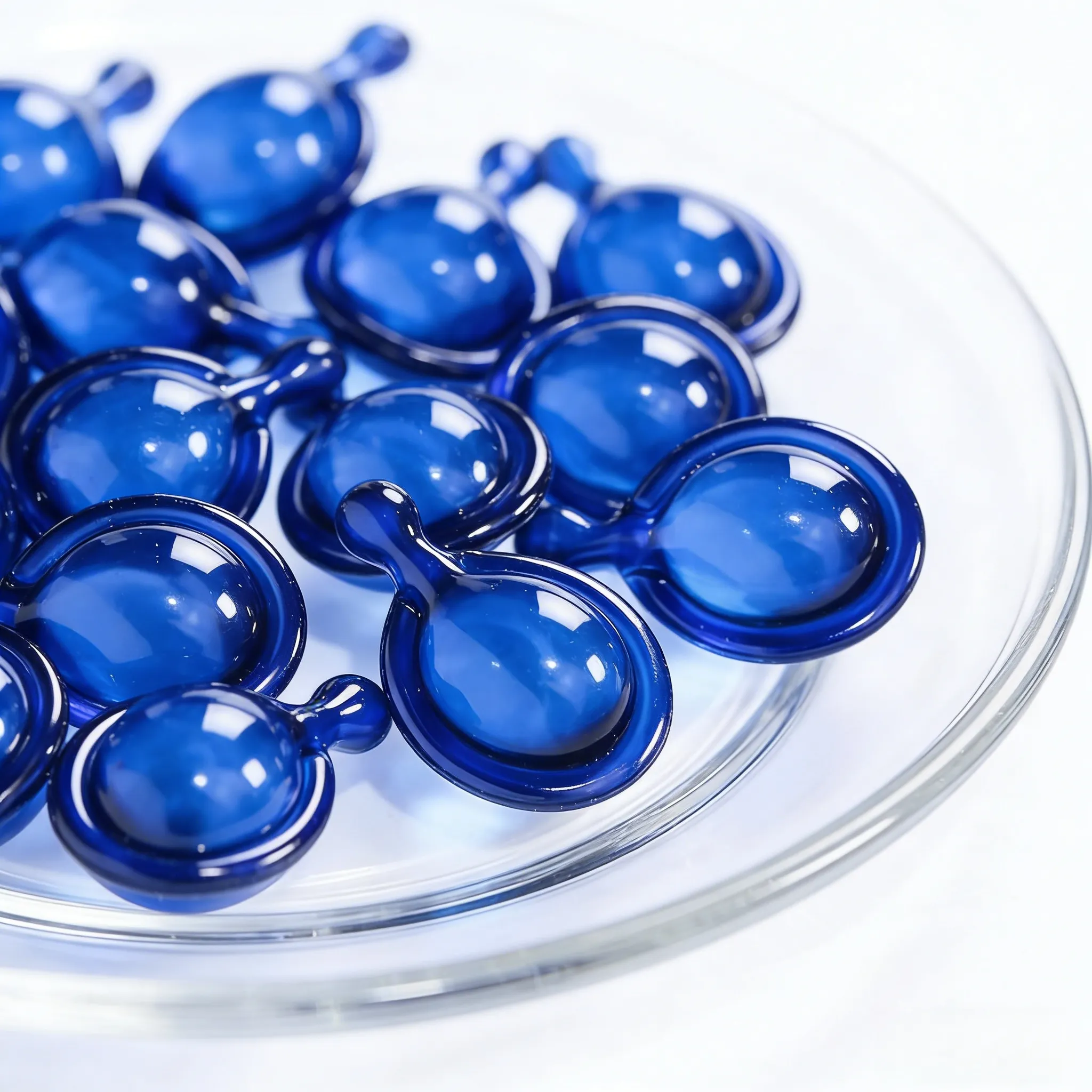
Hyaluronic acid serum formats are sold on molecular weight, and the marketing has run well ahead of the science. A low-molecular-weight hyaluronate penetrates further into the epidermis than a high-molecular-weight one, and it also draws water with it, which is why some users report dryness from a product marketed as hydrating. The truth is more nuanced than the label suggests and much more useful to a formulator.
1. The weight ranges
High molecular weight, above 1,000 kilodaltons: forms a film on the surface, gives immediate smoothness, and does not penetrate. Medium, 200 to 800 kilodaltons: a light film with some penetration into the upper layers. Low, under 100 kilodaltons: penetrates further and is the one associated with the dryness reports. Very low, under 10 kilodaltons: mostly a marketing ingredient, expensive, and with limited evidence of benefit at retail concentrations.
2. The multi-weight approach
A commercial serum usually blends two or three weights: a high weight for surface smoothing and immediate sensory benefit, a medium weight for a lasting film, and a low weight for a penetration story. The ratio matters more than the total percentage. A serum at 1 percent total hyaluronate split 60/30/10 gives a smoother immediate feel than 2 percent of a single high weight, and it costs less.
3. The tackiness problem
Hyaluronate is inherently tacky at a high concentration. Above 1 percent total, a simple water-based serum feels sticky and pulls on the skin during application. Three mitigations: a lower total with a supporting humectant such as glycerin or betaine; a small amount of a light ester or a silicone to break the tack; and a pH and ionic strength adjustment, since hyaluronate viscosity is sensitive to both. A tacky serum is the most common texture complaint in this category.
4. Layering and pilling
A hyaluronic serum applied under a silicone-based foundation can pill, because the two films do not blend. Test with the actual makeup the brand intends to recommend. A serum with a small amount of glycerin and no high-molecular-weight film is less likely to pill; a heavy surface film is more likely. The order of application in the instructions resolves more complaints than a reformulation.
5. Preservation and pH
Hyaluronate is stable from pH 5 to 8 and hydrolyses slowly outside that range. A pH of 5.5 to 6.5 is the practical window, and it is also where phenoxyethanol performs well. A challenge test per ISO 11930 is required, and a chelator improves both stability and preservation.
6. What the claims can say
Hydration is measurable by corneometry. Plumping is a sensory outcome and should be described as an appearance claim. Fine line reduction needs an eight-week instrumental study, and a hyaluronic serum alone rarely produces a large effect. The defensible position is immediate and lasting hydration plus a smoother appearance, which is both true and what most customers actually want.
7. Commercial profile
A three-weight blend at 1 percent total, 30 ml dropper, MOQ 2,000 units, 25 to 30 days. A new very-low-weight ingredient adds a stability and evidence review. See the serum range and the peptide guide for the firming story that pairs with hydration.




