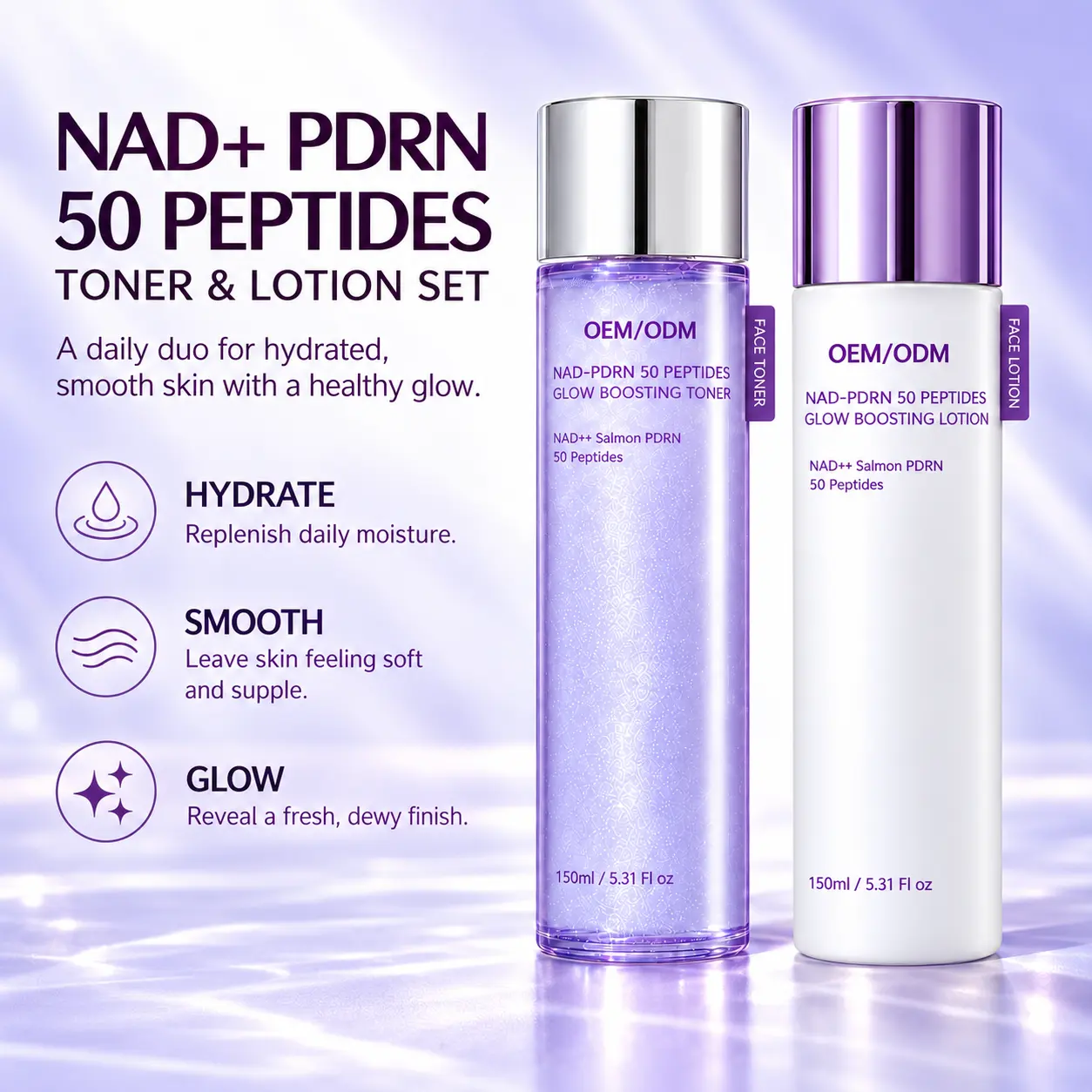
Toner manufacturing looks like the simplest product in the plant – water, a little humectant, a little extract, a preservative – and it is the product where a one percent change in a humectant ratio is the difference between a bestseller and a sticky disappointment. A toner is a texture and a sensation product before it is a treatment product, and the formulation has to respect that.
1. The alcohol question
High-alcohol toners at 20 to 40 percent ethanol were the standard for oily skin thirty years ago. They cool, they dry fast and they feel instantly astringent. They also disrupt the barrier, and the category has moved decisively away from them. A modern toner uses 0 to 5 percent alcohol, often only as a solubiliser for a fragrance or an extract, and achieves the same fresh sensation through a low level of a cooling agent or a light humectant. A brand launching an astringent toner today should expect the market to read it as a legacy product.
2. Humectant ratios
Glycerin is the workhorse: 3 to 8 percent gives measurable hydration without tack. Above 10 percent the toner feels sticky in humid climates and draws water from the air in dry ones. Butylene glycol at 2 to 5 percent adds slip and assists preservation. Hyaluronic acid at 0.1 to 0.5 percent gives a sensory lift and a claim, though its effect at that level is mostly surface. A blend of glycerin, butylene glycol and a small amount of a sugar alcohol is the conventional answer.
3. The pH decision
A toner’s pH decides its function. At pH 4 to 4.5 it can be an exfoliating toner with a low AHA load and a claim about clarity. At pH 5.5 to 6 it is a hydrating toner compatible with the skin’s acid mantle. At pH 7 and above it is unusual and generally unnecessary. The pH also constrains the preservative system: phenoxyethanol works across the range, while some organic acids need a lower pH to be effective.
4. Actives and clarity
A toner must be transparent, which rules out most oils, many extracts and any suspended powder. Botanical extracts have to be water-soluble or solubilised, and a solubilised extract can haze over time. Niacinamide at 2 to 5 percent is clear and stable; vitamin C at any useful level is not, unless it is a derivative. A hazy toner is a quality complaint even when the formula performs.
5. The sheet mask connection
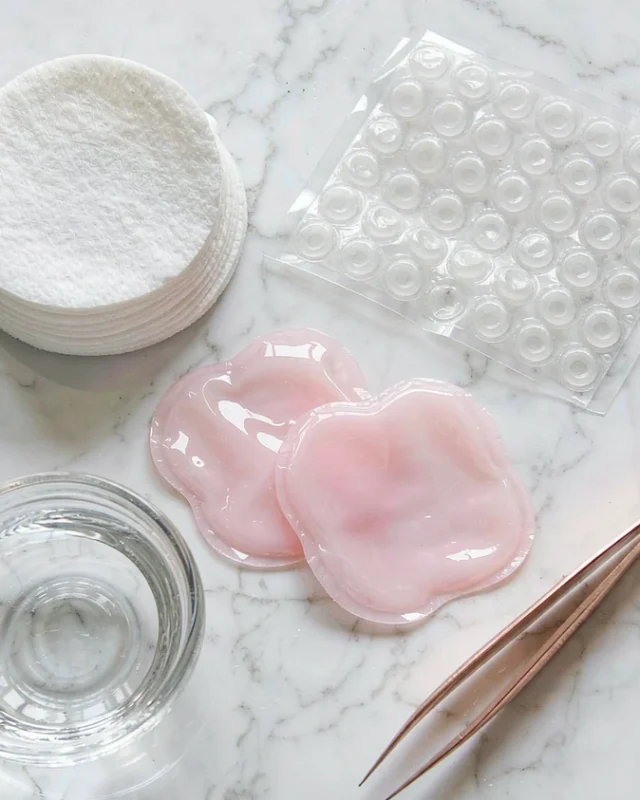
The same base is often used as a sheet mask essence, with a higher viscosity and a higher actives load. A toner at 1 to 3 centipoise will not stay on a sheet; a mask essence needs 5 to 15 centipoise, usually through a small amount of a cellulose or a xanthan. A brand launching a toner and a sheet mask from one base should expect to run two specifications, not one.
6. Filling and packaging
A 200 ml bottle fills at high speed, and the risks are headspace oxygen and cap leakage. A toner with a botanical extract is sensitive to oxidation, so nitrogen flushing or a bottle with a low headspace is worth the cost. A mist sprayer needs a particle size under 100 microns to avoid a wet face; a pump or a flip cap is the cheaper, more reliable option.
7. Commercial profile
Stock base, 200 ml PET bottle, MOQ 3,000 units, 20 to 30 days. A new extract with a stability claim adds three weeks. See the toner range and the essence guide for the thicker end of the same category.