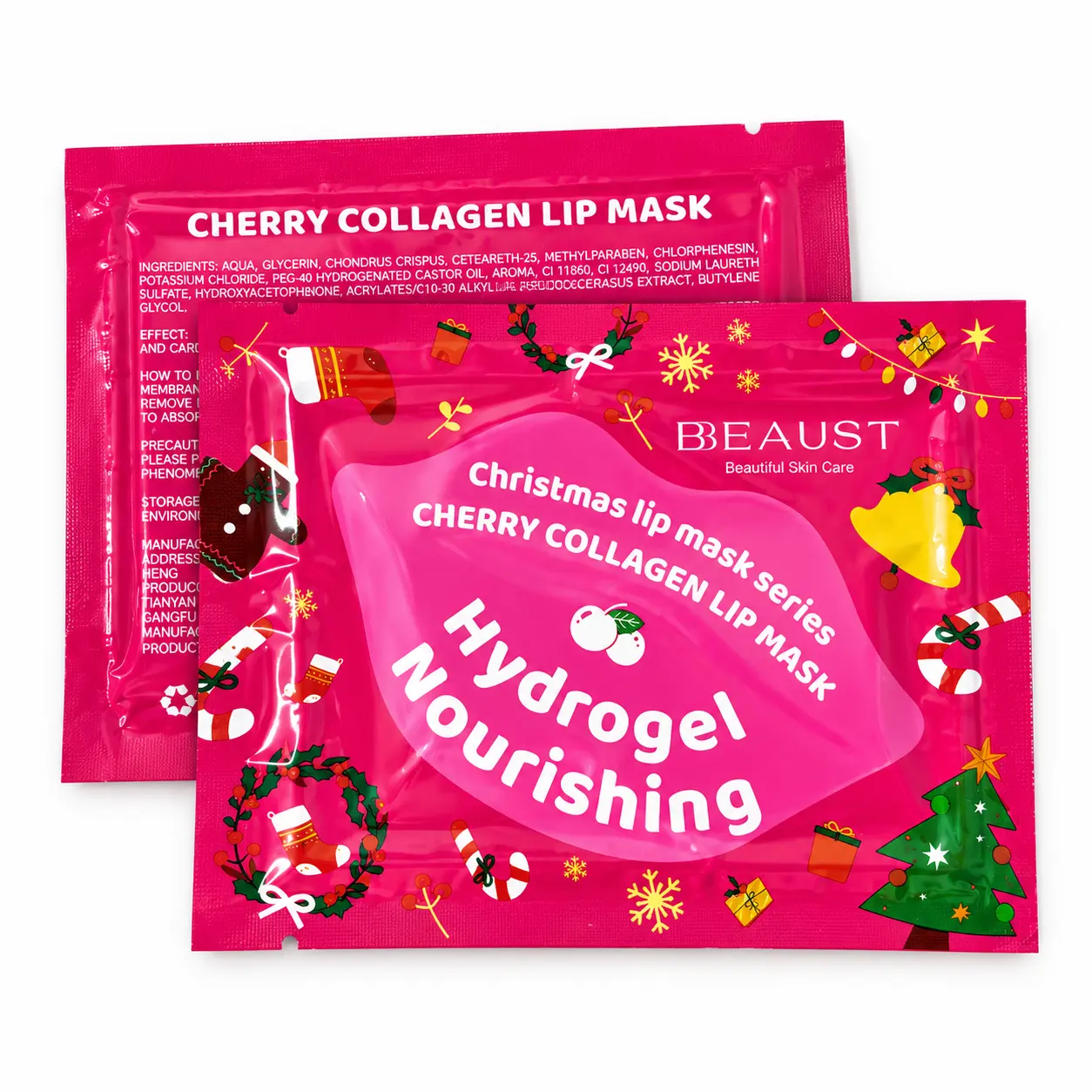
Sleeping lip mask OEM is a small-format product with an unusually high repurchase rate, which makes it attractive and also unforgiving. The customer applies it before bed, sleeps on a pillow, and judges it in the morning by whether the lips are still soft and whether the pillowcase is clean. Two variables decide that: the occlusive blend and the film thickness it leaves.
1. The occlusive base
A sleeping lip mask is essentially a heavy balm. The base is 40 to 60 percent of a petrolatum or a synthetic wax blend, plus 15 to 25 percent of a butter or a heavy ester, plus 5 to 10 percent of a humectant. Petrolatum gives the strongest occlusion and the highest transfer risk; a synthetic wax and ester blend gives a lighter feel with a lower transfer rate. Most successful retail products sit in the middle, and the choice is usually made on the texture panel rather than on the occlusion number.
2. Transfer, and the pillow test
Apply a fixed dose to a standardised substrate, press a cotton cloth at 32 degrees Celsius under a defined load for two hours, and measure the mass that leaves the substrate. Below 6 percent is acceptable for a leave-on lip product; a pure petrolatum balm at 50 percent often reaches 15 percent. A brand that skips this test discovers the problem in reviews about stained pillowcases, which is a complaint that does not go away with reformulation because the review stays online.
3. Texture: balm, jelly or cream
| Texture | Occlusion | Transfer | Best for |
|---|---|---|---|
| Petrolatum balm | Highest | High | Very dry lips, winter |
| Jelly (gel-wax) | Moderate | Low | Summer, daytime wear |
| Cream balm | Moderate | Medium | Universal, retail default |
The jelly format – a gel-wax with a high oil load – is the fastest-growing texture because it feels modern and photographs well in a jar. It is also the hardest to keep stable at 40 degrees Celsius, because gel-wax networks soften earlier than a wax blend.
4. Actives and the taste problem
Lip products are tasted, so every ingredient has to be tolerable at the concentration used. Vitamin E, shea, hyaluronate and panthenol are neutral or pleasant. Niacinamide at 2 percent is fine; at 5 percent it tastes bitter. Any acid is a problem. Flavour should be a concentrated oil at 0.1 to 0.3 percent, and a sweetener can be added at a level that is detectable but not sugary.
5. Packaging
- 15 to 20 g jar with a wide mouth and a sealing disc, the default for overnight formats.
- A tube with a ceramic or silicone applicator, which is the more hygienic option and the one most dermatologist-adjacent brands choose.
- A small pot with a spatula in the lid for a gift format.
- Avoid a stick: a heavy balm in a stick softens and collapses above 28 degrees Celsius.
6. Stability and microbiology
An anhydrous balm has low microbial risk but is still a finger-contact product if it is a jar. The relevant tests are a three-month hold at 40 degrees Celsius for texture and odour, a freeze-thaw cycle for crystallisation, and a microbial limits test. Water-containing cream balms additionally need a challenge test per ISO 11930.
7. Commercial profile
Stock base, 15 g jar, MOQ 1,000 units, 25 to 35 days. A custom texture adds three to four weeks. See the sleeping lip mask range, and the lip balm guide for the stick and tube versions of the same chemistry.




