Compostable is the easiest claim to make and one of the hardest to defend. A sheet mask has a substrate, a serum, a sachet and a print layer, and the claim only holds if the parts that carry it actually break down under the conditions the customer will realistically provide.
1. What the claim covers
Compostable describes a material that breaks down biologically under defined conditions within a defined time, leaving no toxic residue and no visible fragments. The definition is conditional by design. A material that composts in an industrial facility at 55 degrees may sit unchanged in a home heap at 20 degrees for years. The claim must name the condition.
2. Three components, one claim
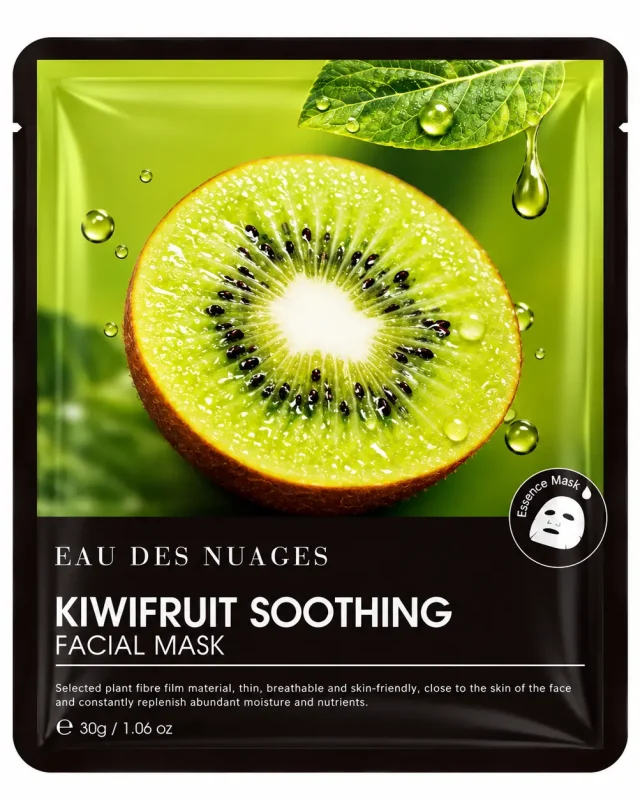
A mask has a sheet, a serum and a pouch. The sheet may be a cellulosic nonwoven that composts readily, and the serum is mostly water that disperses. The pouch is usually a laminate with an aluminium or metallised layer, and that is where the claim collapses. Compostable pouches exist, but their barrier performance is lower and shelf life changes with it.
3. Certified versus self-declared
Certification means a third party tested the material against a recognised composting standard and issued a certificate with a logo and a registration. Self-declared compostability is a supplier statement, sometimes backed by a lab report on a film sample rather than the finished article. Buyers increasingly ask for the certificate reference and the thickness it covers.
4. Home versus industrial
Industrial composting relies on sustained high temperature and controlled aeration; a home bin does not. A material certified for industrial conditions may not suit a home heap, and putting a home-compostable logo on an industrial-only material creates a compliance problem in several markets. Match the logo to the certified condition, not to the marketing story, and put the condition in small print on the pack so the buyer can check it.
5. Barrier needs pull the other way
A mask sachet must keep serum from drying out for two to three years, which requires a moisture barrier, and the best barriers are the least compostable. Compostable high-barrier films keep improving but usually trade some shelf life. Test the real product under real conditions before accepting a 24-month claim printed on the pack.
6. Shelf life in a compostable pouch
Compostable films are more sensitive to humidity and flex cracking than aluminium laminates. A pouch that passes at 23 degrees and 50 percent relative humidity may fail in a tropical warehouse. Run the stability study in the destination climate, and check seal strength after ageing, because a compostable seal layer can soften and creep under stack load.
7. What the tests show
Compostability testing looks at disintegration, biodegradation and ecotoxicity, plus heavy metals in the input material. Tests run on the material, often at a stated thickness. A finished pouch with print, adhesive and a window is not the same sample. Ask which article was tested, at what thickness, and whether print and adhesive were included.
8. Language that survives review
Say what is certified and what is not. A compostable sheet with a recyclable pouch is an honest, defensible statement. Biodegradable is broader and harder to support. Avoid calling the whole product plastic-free unless every component, print and adhesive included, meets that description. Regulators in several markets have begun asking for the evidence behind exactly these words, and a supplier who cannot produce it loses the account rather than the argument.
9. The cost of the switch
Compostable nonwovens and films typically cost more per unit than conventional equivalents, and volumes are smaller, which stretches lead time. Where the brief requires the claim, the honest options are a compostable sheet with a conventional pouch and no whole-product claim, or a full switch with a shorter shelf life and a visibly higher unit cost.
10. Where it fits
Substrate choices are covered under sheet masks and bio-collagen masks. Material notes continue in encyclopedia.