Key takeaways
- A softgel isolates the fill completely; a bead-in-gel isolates only the active inside the bead.
- Softgels suit anhydrous or low-water fills; beads suit aqueous systems that need pH separation.
- Ampoules give the highest barrier and the highest glass-handling cost.
- Test bead or shell integrity after filling — a broken barrier is an invisible dose failure.
Every unstable active poses the same question: what is it exposed to? Oxygen, water, light, pH and neighbouring ingredients each degrade something. Three formats answer that question differently, and choosing the wrong one costs either efficacy or money.
Softgel capsule
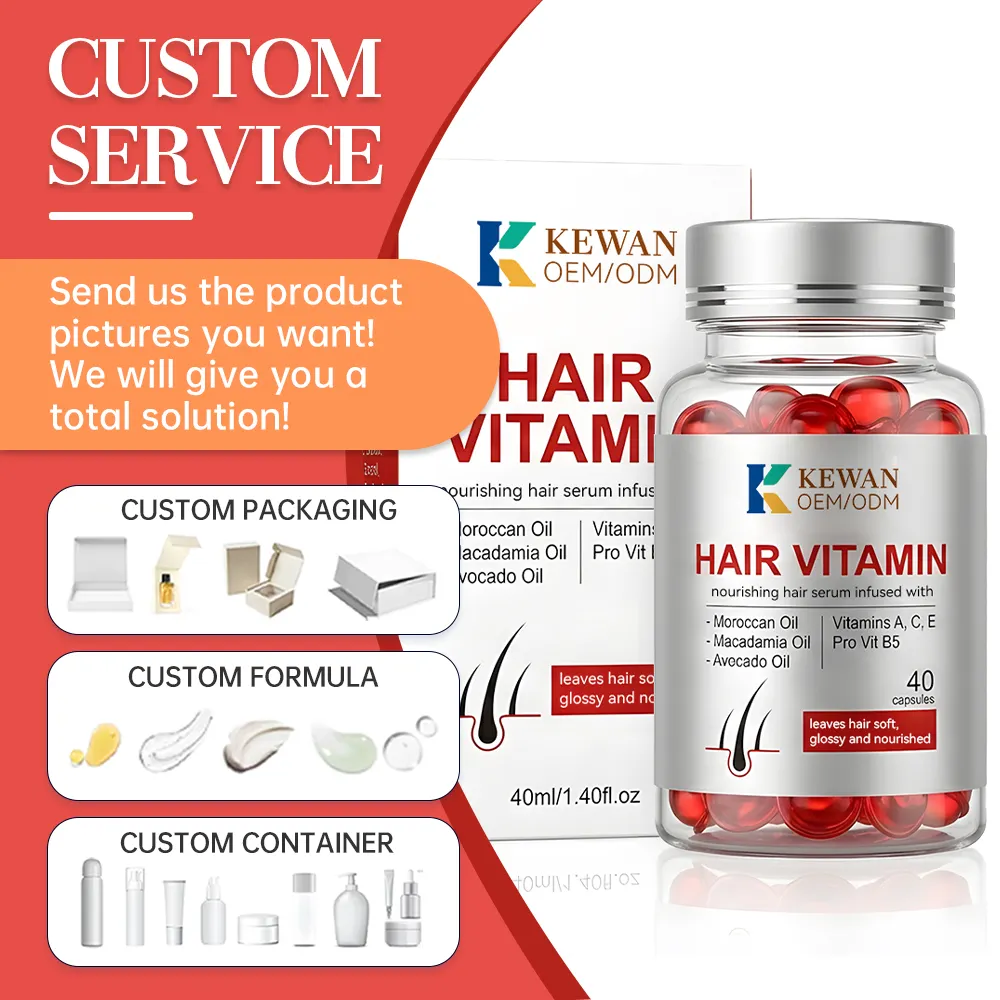
A gelatin or HPMC shell formed around a liquid fill at the moment of manufacture. The fill never touches the air, the shell is the container, and the dose is fixed by the die.
Best for: anhydrous or low-water fills — oils, esters, lipophilic actives, retinol esters, fragrance. Poor for: high-ethanol fills, which soften a gelatin shell, and strongly hygroscopic actives, which pull water out of the shell and harden it.
Typical production: ribbon casting, die filling, seam sealing, 24 hours of tunnel drying, then inspection. Fill volume from 0.3 to 1.0 ml; tolerances tighten as volume grows.
Test that matters: shell integrity after drying and again after three months at 40 °C. A capsule that leaks in market is a complaint about a product that “arrived empty”.
Bead-in-gel serum
Small beads of one formulation suspended in a gel of another, inside a normal bottle. The bead isolates the active from the gel, not from the world — the gel still sees the headspace.
Best for: actives that need a different pH from the rest of the formula. Vitamin C at pH 3.2 inside a bead can sit in a gel buffered to pH 6 with niacinamide. Neither compromises the other until the bead is broken on skin.
Poor for: actives that need absolute oxygen exclusion — a bead in a 30 ml bottle still has air above the gel.
Typical production: bead forming into a setting bath, curing, suspension in the gel, and low-shear filling that does not crush the beads. Slower line speed than a plain serum.
Test that matters: bead count per bottle, bead integrity after filling, and assays run separately on beads and gel. If a bead breaks during filling, the gel acidifies and the niacinamide starts to hydrolyse — a failure that shows first as pH drift, not as a visible defect.
Ampoule
A sealed glass vessel, usually 1 to 2 ml, broken open for a single use. The barrier is absolute: no oxygen transmission, no moisture loss, no plasticiser interaction.
Best for: high-value aqueous actives — PDRN, growth-factor-type blends, high-dose vitamin C — and for clinical-positioned products where the glass is part of the message.
Poor for: cost-sensitive ranges and markets where broken glass is a safety concern. Also poor for anything the customer cannot use in one sitting.
Test that matters: seal integrity and a fill-volume check by weight, plus a fragment check where the ampoule is opened by hand.
Side by side
| Softgel | Bead-in-gel | Ampoule | |
|---|---|---|---|
| Barrier against oxygen | Complete for the fill | Partial | Complete |
| pH separation possible | N/A — single phase | Yes | No, one phase per ampoule |
| Dose control | Fixed by die | Fixed by bead count | Fixed by fill volume |
| Production speed | Moderate, drying-limited | Slow, low-shear fill | Glass line, separate supplier |
| Typical minimum | 5,000 pcs | 500 pcs at 30 ml | Depends on the glass run |
| Cost per dose | Low | Moderate | Highest |
What the format cannot fix
None of these formats makes a badly chosen active work. If the claim needs eight weeks of daily use, an ampoule does not shorten it. If the active is incompatible with the skin, isolation does not change that. Format protects the formula; it does not create the effect.
The capsule serum category covers softgel, bead and ampoule variants, including the 78% vitamin water bead serum. For the line-side detail on small softgels, read shell composition and fill compatibility.
If you are unsure which format protects your active, the inquiry form is faster than a spec-sheet exchange.
Reference: ISO 22716:2007; internal capsule line specifications and stability protocol

