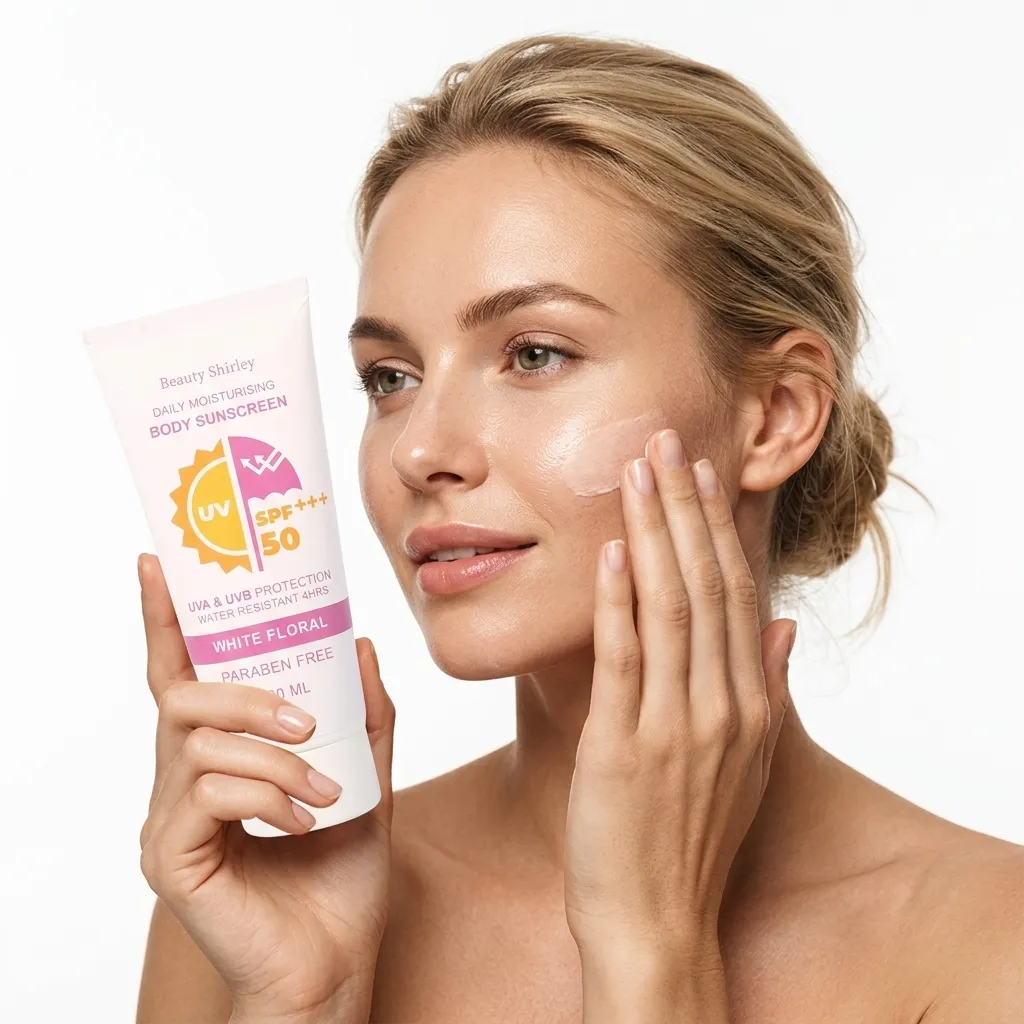
Key takeaways
- SPF is measured in vivo or in vitro and is a ratio, not a time.
- UVA protection needs its own claim and its own test.
- Water resistance and reapplication instructions are part of the label.
SPF, sun protection factor, is the ratio of the time to burn on protected skin to the time on unprotected skin, measured under controlled laboratory conditions at 2 mg per square centimetre. It is a measurement, not a promise, and the label has to carry the conditions under which the number is valid.
1. The measurement
In-vivo SPF is measured on human volunteers with a solar simulator and a defined endpoint. In-vitro methods use a substrate and a spectrophotometer and are cheaper but accepted for fewer claims. The label value must come from an accredited test on a production-representative sample.
2. The ceiling
Most markets cap the labelled SPF at 50 or 50+, because above that the incremental benefit is small and the claim invites overconfidence. A measured SPF of 65 is labelled 50+ in the EU and 50 in many other markets.
3. UVA
UVA protection is measured separately, with an in-vitro method such as ISO 24443 or an in-vivo method. The EU requires a UVA protection factor of at least one third of the labelled SPF, and “broad spectrum” is a threshold rather than a description. A high SPF with an inadequate UVA is a mislabelled product.
4. Water resistance
Water resistance is measured after immersion and is a separate claim. The label must state whether the product is water resistant and for how long, and the test must be on the finished formula. “Waterproof” is not permitted in most markets because nothing is.
5. The dose
The labelled SPF is measured at 2 mg per square centimetre, which is more than most users apply. The label cannot state the dose, but the instructions can describe an adequate application: two finger lengths for the face, a full shot glass for the body. The instruction is the only lever the brand has.
6. Reapplication
Reapplication every two hours is the standard instruction, and it is required because the film degrades and because users sweat and touch their faces. A label that implies one application lasts all day is non-compliant and unsafe.
7. The drug boundary
In the US, sunscreen is regulated as a drug and the label follows a drug monograph, including the active ingredient panel and the drug facts format. In the EU it is a cosmetic with specific test requirements. The same formula needs two different labels and two different test packages.
8. Children and babies
A product labelled for children has additional requirements in most markets, including a gentler formulation and specific warnings. A claim about suitability for babies under six months is restricted in many jurisdictions. Check the local rule before adding the claim.
9. In-use stability
A sunscreen in a tube that is left open in the sun can lose performance. The label should include storage guidance, and the formula should be tested for in-use stability after repeated opening. This is a small requirement and a real risk.
10. Advertising
Advertising claims about sun protection are regulated alongside the label. “Blocks 99 percent of UV” is a specific claim that needs a specific test. “Sunblock” is not permitted in several markets. The advertising copy should be reviewed with the label.
11. Where it fits
Sunscreen labelling runs across the sunscreen range; the testing side continues in the SPF testing entry.
Reference: Sun protection test standards and label review records, 2025

