Key takeaways
- 2–5% is the evidence-backed range for barrier and tone claims; 10% adds irritation risk.
- Niacinamide is stable at pH 5–7 and hydrolyses to nicotinic acid outside it.
- The flushing story comes from nicotinic acid, not from niacinamide itself.
Niacinamide is the most widely used active in mass-market skincare, and for good reasons: it is water-soluble, stable in a simple formula, cheap per kilo and supported by a large body of published work on barrier function, sebum and pigmentation. It is also the ingredient most often over-dosed, because the number on the front of the pack has become a marketing competition.
The practical questions for a formulator are three: what dose supports the claim, what pH keeps the molecule intact, and how the product behaves when combined with acids or with vitamin C. The answers are less dramatic than the marketing and more useful.
1. The effective dose
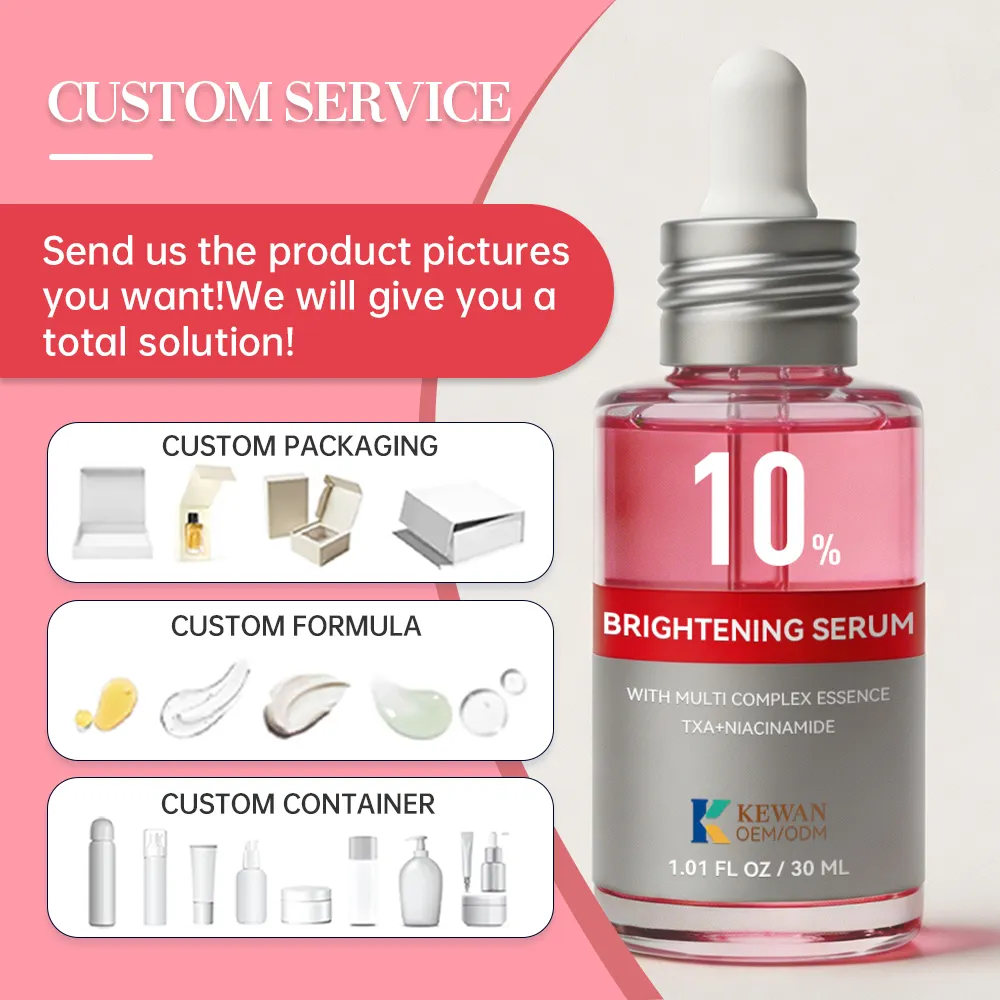
Published work supports 2 to 5 percent for barrier improvement, sebum regulation and visible tone. Above 5 percent the additional benefit is small and the irritation risk rises; at 10 percent, a meaningful minority of users report stinging, especially on compromised skin. A 5 percent serum with a good vehicle outperforms a 10 percent serum with a poor one.
2. Stability and pH
Niacinamide is stable between pH 5 and 7. Outside that window it hydrolyses to nicotinic acid, which is the form that causes flushing. A formula at pH 3.5 — common in acid toners — will convert a fraction of the niacinamide over months, and the flush reports follow. If the product needs an acid pH, use a different active.
3. The flushing myth
The widely repeated claim that niacinamide and vitamin C cannot be combined comes from older studies using high temperatures and concentrations that no commercial product uses. At room temperature and at normal doses, the two coexist. The real constraint is pH: vitamin C as ascorbic acid needs pH below 3.5, where niacinamide is not stable.
4. Vehicle matters
Niacinamide is a small, highly water-soluble molecule and penetrates easily. That means the vehicle should not be occlusive enough to trap it at the surface, and should not contain a high level of a penetration enhancer that delivers more than intended. A light gel or a simple emulsion is the usual choice.
5. Sebum and pore claims
Sebum regulation claims need instrument data — sebumeter readings over four weeks — rather than a perception panel. Pore claims are harder: the evidence is modest, and the claim is often softened to “refines the look of pores”. Any claim that mentions pore size should be reviewed before the artwork goes to print.
6. Pairing with other actives
Niacinamide pairs well with hyaluronic acid, panthenol, zinc PCA and ceramides. It pairs awkwardly with strong acids and with high-dose ascorbic acid, and it competes with nothing else in particular. A formula with 5 percent niacinamide and 1 percent zinc PCA is a standard sebum product, and it costs very little to make.
7. Testing the claim
A niacinamide product should be tested for irritation on twenty panelists, for pH at release and at each stability pull, and for skin tone or sebum if a claim is made. The pH drift check is the one most often skipped, and it is the one that explains a batch that suddenly flushes.
8. Where it fits
Niacinamide serums sit in the niacinamide range; the pH question continues in the pH entry.
Reference: Ingredient monographs and formulation notes, 2024–2026

