Key takeaways
- Stock formulas carry no development fee and start at 500–1,000 pcs.
- Custom development typically requires 3,000 pcs, sometimes 5,000, to amortise the lab work.
- Packaging tooling, not formula, is usually the real minimum-order driver.
Minimum order quantity is where most first-time brand owners get a surprise, and it is rarely about the formula. A stock base can be run at 500 pieces because the development cost has already been paid by previous customers. A custom base has to carry its own development, stability testing and regulatory review, which is why the floor is higher.
The break-even is calculable. If custom development costs a fixed amount and the per-unit saving over a stock base is a few cents, you need volume before the custom route pays back. For most categories, that crossover sits somewhere between 3,000 and 10,000 units in the first year.
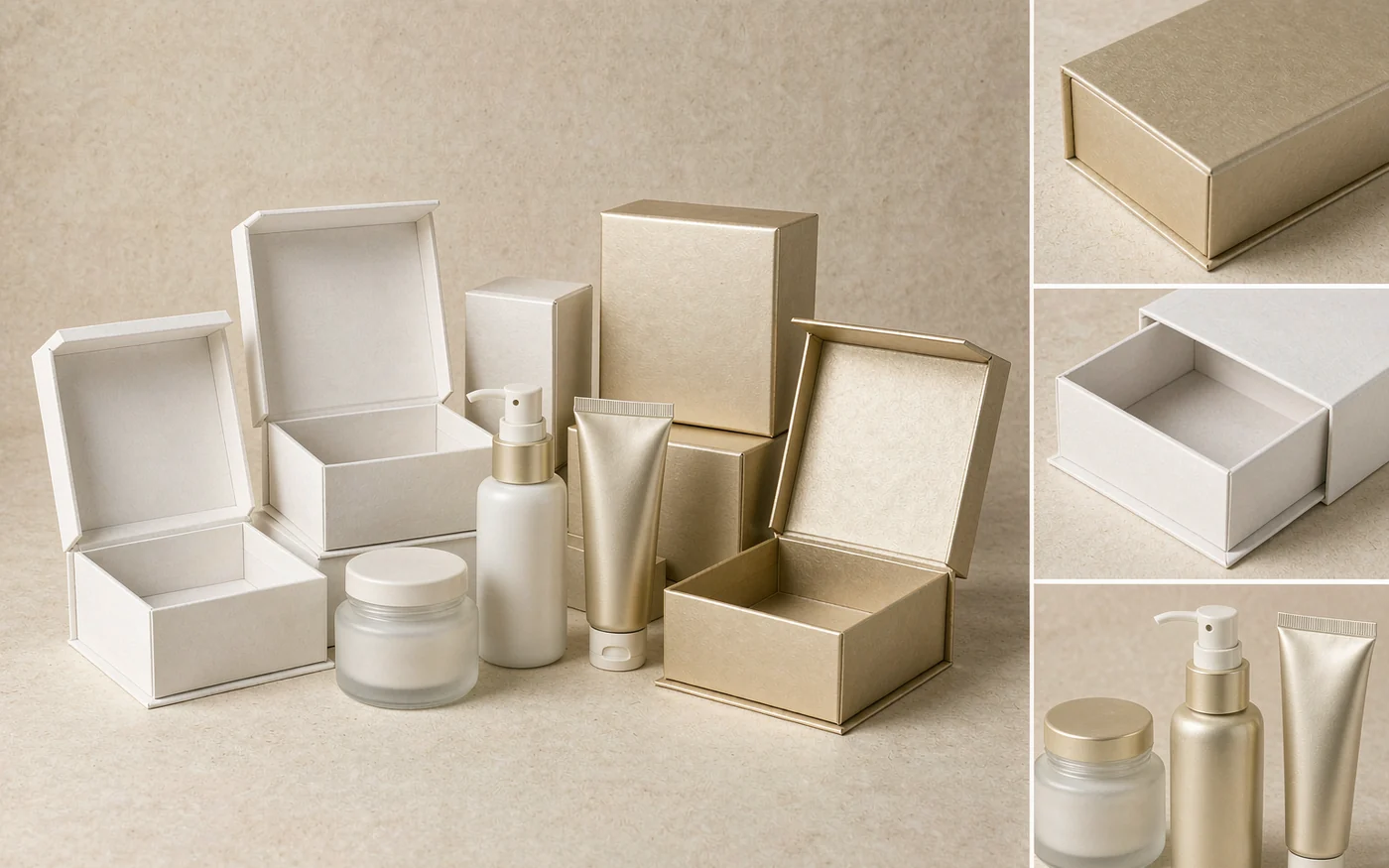
The bigger driver is packaging. A stock jar has tooling that exists; a custom mould is a five-figure investment with a lead time measured in weeks. This is why so many launches use a stock component with a printed label and a custom carton — the cheapest way to look bespoke.
A practical sequence: launch on a stock base in stock packaging at 500–1,000 units, prove the sell-through, then reinvest in a custom formula and a custom component for the second order. Brands that skip step one often spend their whole budget on tooling and have nothing left for marketing.
Reference: Internal quoting data, 2023–2026

