Key takeaways
- Glass is inert, has near-zero oxygen permeation and tolerates alcohol.
- Plastic is lighter, unbreakable and cheaper to ship, and dominates travel formats.
- A dropper in glass is the standard serum unit; a pump in plastic suits body care.
Primary packaging carries two jobs: protecting the formula and signalling its price tier. Glass and plastic trade differently on both, and the decision is usually made by the channel and the price point rather than by a compatibility test — which is why so many serums arrive in glass that did not need it.
1. Barrier
Glass has effectively zero oxygen and moisture permeation. A vitamin C serum in glass with a dropper keeps its colour far longer than the same formula in PET. If the formula has a genuinely oxidation-sensitive active, glass is the cheapest way to extend shelf life.
2. Inertness
Glass does not react with solvents, alcohol or acids at cosmetic concentrations. That makes it the safe choice for a high-alcohol toner or a strongly acidic serum, where PET would stress and a metal closure would corrode.
3. Weight and freight
A 30 ml glass bottle weighs 80 to 120 g; the plastic equivalent weighs 15 to 25 g. Across an air shipment that difference dominates the landed cost, and across a last-mile delivery it dominates the damage rate. Glass is a premium signal that the freight budget pays for.
4. Breakage
Glass breaks. A 1 percent breakage rate in transit is normal without protective packaging and expensive with it. A plastic bottle at 0.1 percent is the baseline. For travel sizes, minis and e-commerce, plastic is the practical choice.
5. The dropper unit
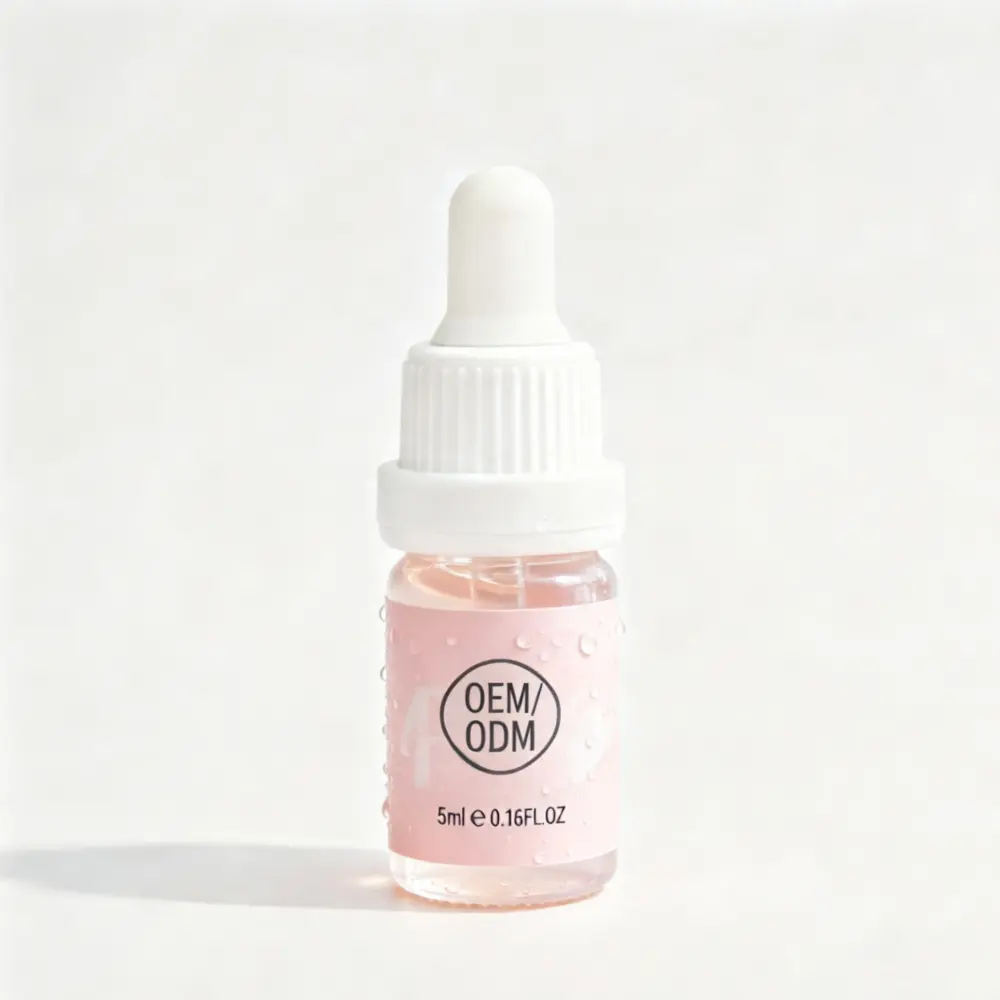
Most serums are sold in a glass bottle with a dropper, and the combination has become the category’s visual shorthand. The dropper itself is usually plastic with a rubber bulb, so the unit is not fully recyclable. A mono-material pump alternative is available and reads as less premium.
6. Recycling
Glass is infinitely recyclable and widely accepted in kerbside collection. Plastic depends on the resin and the local infrastructure; PET is widely accepted, mixed resins are not. A brand’s sustainability claim should match what the local system actually accepts.
7. Cost
A stock glass bottle costs more than a stock plastic bottle, and a custom glass mould costs far more than a custom plastic one, with a much higher MOQ. For a first run, stock glass with a printed label is the standard route to a premium look.
8. Formula interaction
Glass is compatible with almost everything; plastic is not. The reverse concern — the formula attacking the pack — is rare with glass and common with plastic. The reverse-reverse concern, the pack leaching into the formula, is also rare with glass and possible with recycled plastic.
9. The pump and the airless question
An airless pump is almost always plastic, because the mechanism needs moulded parts. A glass bottle with an airless insert exists and costs a lot. If the formula needs airless protection, the pack is plastic by necessity.
10. Channel fit
Prestige retail and gifting favour glass; e-commerce, travel and subscription favour plastic. A brand selling in both channels often runs two packs for the same formula, which is a legitimate cost rather than an inconsistency.
11. Where it fits
Glass-led formats sit in the facial oil range; the pack decision continues in the primary pack entry.
Reference: Primary packaging comparisons and transit damage records, 2025

