Key takeaways
- Hydrolysed collagen is a humectant and film former, not a structural replacement.
- Marine and bovine sources differ in peptide size and in marketing appeal.
- Collagen masks pair a film with occlusion, which is the actual mechanism.
Collagen is one of the oldest cosmetic ingredients and one of the most misunderstood. Applied topically, a collagen molecule is too large to enter the skin, so it cannot replace structural collagen. What it can do is hold water at the surface, form a film that limits water loss, and provide a claim that consumers understand instantly.
1. Molecular size
Native collagen is 300 kDa and above and stays on the surface. Hydrolysed collagen is broken into peptides of 2 to 20 kDa, which penetrate further and behave as humectants. The label rarely states which one is used, and the difference decides whether the product films or hydrates.
2. Sources
Bovine collagen is the traditional source and is cheap; marine collagen from fish skin is finer and carries a cleaner marketing story in Asia. Recombinant collagen produced by fermentation is the newest route, with a consistent peptide profile and a premium price. All three hydrate; the marketing differs.
3. The film mechanism
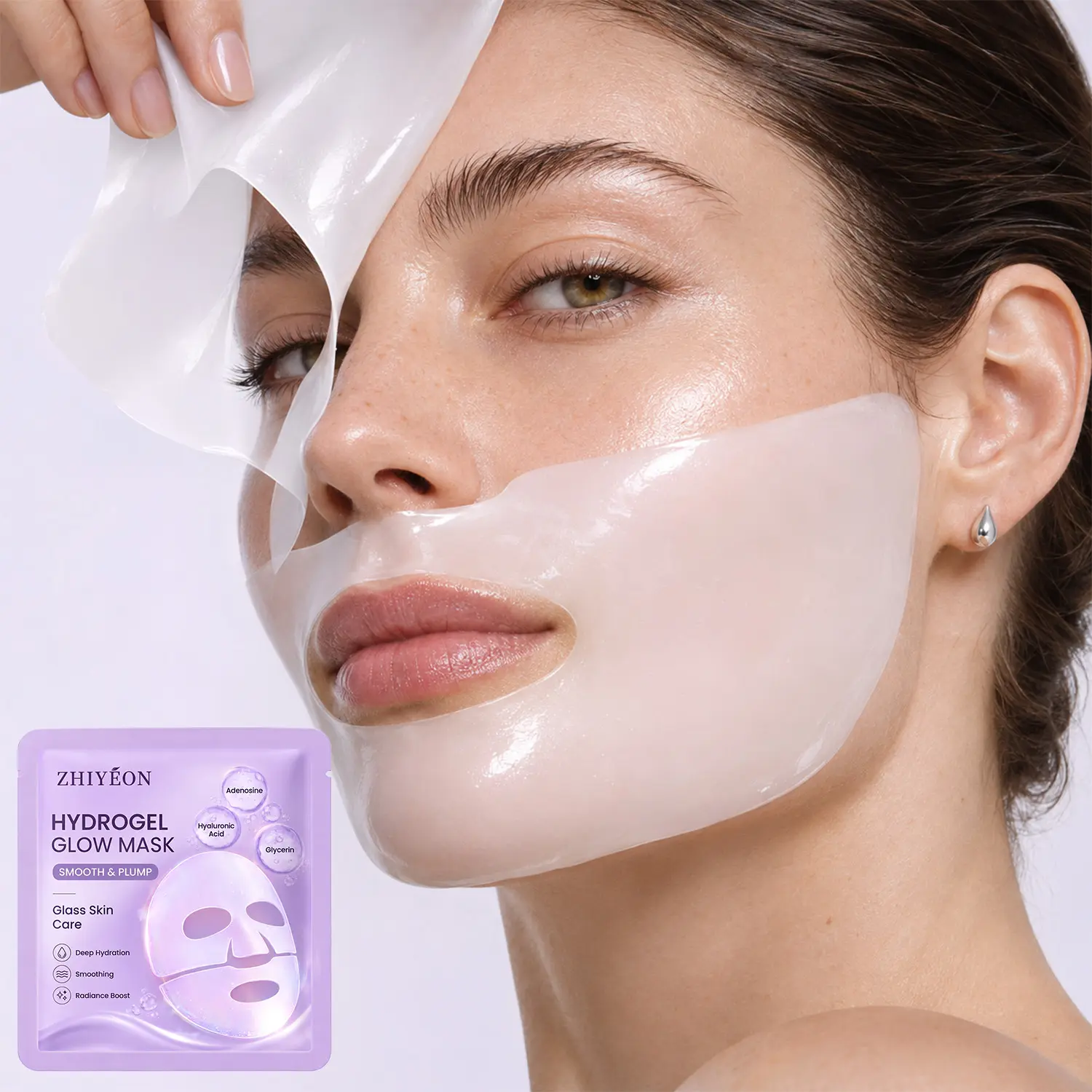
In a sheet mask or a hydrogel patch, collagen functions partly as a film former: it holds the serum in contact and slows evaporation. That is a real mechanism and it is why collagen masks feel richer than water-only masks. It is not a structural repair.
4. Dose and feel
Hydrolysed collagen at 1 to 3 percent adds a soft, slightly slippery feel and measurable hydration. Above 5 percent the product becomes tacky and the film can pill under makeup. In a mask serum, 2 percent is typical; in a cream, 1 percent.
5. Claims
“Contains collagen” is factual. “Boosts collagen” implies a biological effect that a topical product does not produce and is a claim regulators have challenged. The defensible claims are hydration, firmness in appearance, and film-forming comfort, each with panel or instrument data.
6. Stability
Hydrolysed collagen is stable in water and tolerates a wide pH range, but it is a protein and therefore a microbial nutrient. A collagen-rich product needs a robust preservative system and a challenge test, particularly in a mask where the serum is in contact with a substrate.
7. Cost
Marine collagen peptides cost several times more than bovine, and recombinant collagen more again. A 2 percent dose in a mask adds a modest cost; a 5 percent dose in a cream adds a significant one. Most products dose at the level that supports the label rather than the level that would change the feel.
8. Collagen masks in the pack
A collagen sheet mask is soaked in a serum containing hydrolysed collagen, and the whole assembly has to survive twelve months in a foil pouch. Collagen is a nutrient for microbes, so the serum needs a challenge-tested system and the substrate must not carry over contamination from the converting line. Ask the converter for the bioburden result on the substrate lot.
9. What to say instead of a repair claim
The strongest honest claim for a collagen product is that it improves the appearance of firmness and smoothness with continued use, backed by a panel, plus a hydration measurement. That is a defensible claim, it fits the mechanism, and it survives a regulatory review in every major market — which a repair claim does not.
10. Where it fits
Collagen products sit in the bio-collagen mask range; the substrate question continues in the bio-cellulose entry.
Reference: Collagen peptide supplier data and mask formulation notes, 2025

