Key takeaways
- A vacuum decay or dye penetration test finds leaks that a visual check misses.
- Seal strength and burst strength are separate measurements.
- Integrity must be tested on production units, not on lab samples.
Package integrity is the property that a pack contains the product and excludes the environment for its shelf life. It is a measurable property, and it is tested with methods that find leaks a visual inspection cannot see.
1. Why visual inspection fails
A pinhole of 20 microns leaks a liquid over months and is invisible. A seal with a channel along one edge passes a squeeze test and fails in a warehouse. Visual inspection catches gross defects and misses the ones that generate complaints.
2. Vacuum decay
The pack is placed in a chamber, a vacuum is applied and the pressure rise is measured. A pack with a leak shows a faster rise than a sealed one. The method is quantitative and is the standard for a sealed pack with a headspace.
3. Dye penetration
The pack is immersed in a dye solution under pressure and inspected for dye ingress. It is cheap, visual and definitive for a leak in the seal area. It is destructive, so it is used on samples rather than on the whole batch.
4. Seal strength
Seal strength is measured by pulling the seal apart and recording the force per unit width. A seal that is too weak opens in transit; one that is too strong can tear the film. The target range is defined by the pack supplier and by trial.
5. Burst strength
Burst strength is the internal pressure at which the pack fails. A tube should withstand 2 bar for 30 seconds without a leak at the shoulder or the crimp. A sachet should withstand a defined pressure without a seal failure.
6. Headspace
For a product with a sensitive active, the headspace oxygen is measured. A sachet with a high residual oxygen defeats the barrier layer. Headspace analysis is the test that shows whether the filling process purged properly.
7. Production units
Test units from the production line, from the first, middle and last of the run. A lab-sealed sample tests the lab, not the line. Seal temperature, pressure and dwell time vary across a run, which is exactly what the production sample captures.
8. Sampling frequency
Test at the start of a run, at each hour and at the end. A seal problem that appears at hour three is a machine that drifted, and the hourly sample is what catches it before the whole run is packed.
9. Storage and transport
Integrity can degrade in storage: a seal can creep, a film can stress crack. Re-test after the stability period and after a transit test. A pack that is intact at release and leaking at month six is a compatibility problem.
10. Records
Record the method, the sample, the result and the limit. A pack integrity record that says “checked” is not a record. The number and the method are what allow a comparison across runs.
11. Seal temperature and the drift problem
A heat seal has three parameters: temperature, pressure and dwell time. A machine that drifts one degree over a long run produces a seal that passes at the start of the run and fails at the end, and the failure is invisible until the pack leaks. Record the parameters hourly against the run sheet rather than once at set-up.
12. The complaint investigation
When a leak complaint arrives, the first question is whether it happened before or after filling. A dye test on the customer’s unit and on a retained unit from the same batch answers it in an hour. Without a retained unit the investigation becomes a negotiation about the customer’s handling, which nobody can win.
13. Where it fits
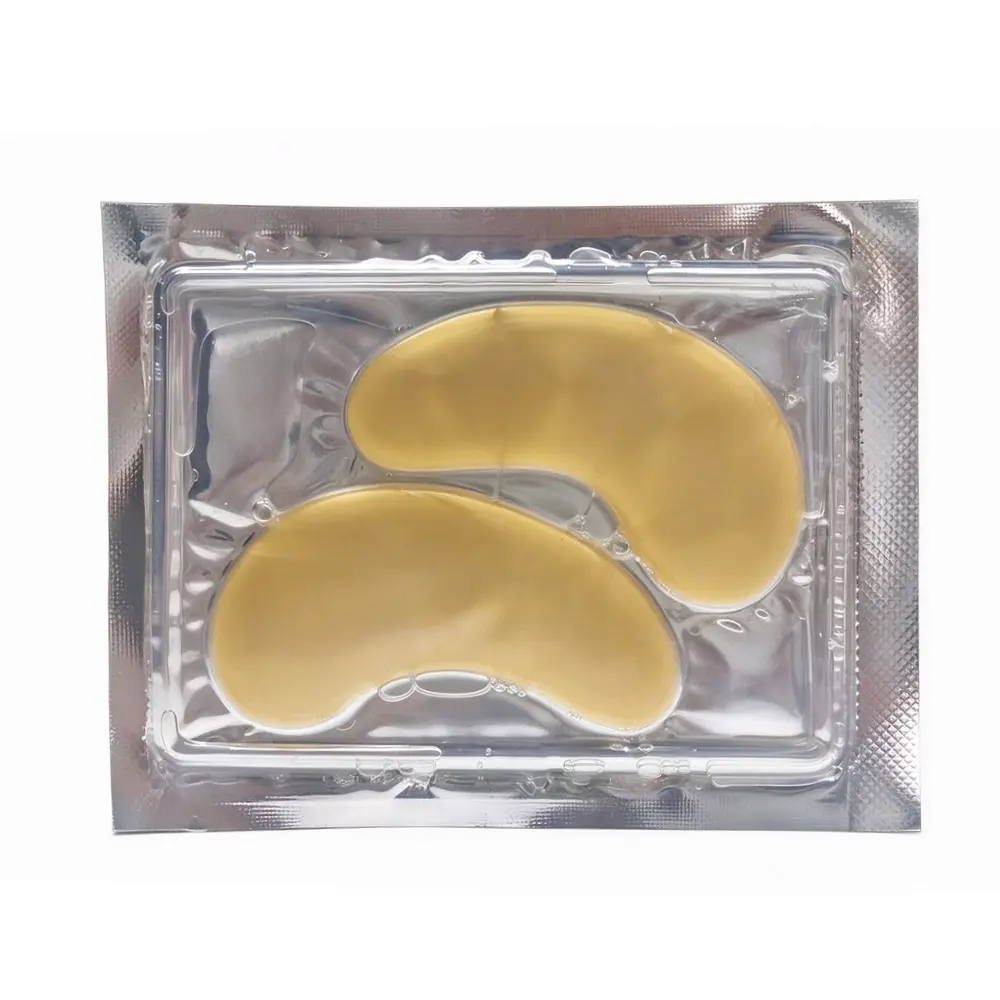
Integrity testing runs across the eye patch range; the transit side continues in the transit entry.
Reference: Package integrity test methods and leak investigation records, 2025