Key takeaways
- Retain a sample of every batch for the shelf life plus one year.
- Store it in the commercial pack, under controlled conditions.
- A retained sample is useless without a record linking it to the batch.
A retain sample is a unit of a finished batch kept in its commercial pack, under controlled conditions, for the shelf life plus a defined period. It costs a few units per batch and it is the only physical evidence of what the batch actually was, as opposed to what the record says it should have been.
1. How many
Two to four units per batch is the common practice, with more for a high-value or high-risk product. One unit is not enough, because one may be opened for investigation and one may be needed for a laboratory test. The quantity should be in the procedure.
2. What to retain
Finished units in the commercial pack, plus a sample of the bulk where the process allows. The bulk sample allows a formula question to be answered without destroying a finished unit. Both are useful, and the finished unit is the one that matters for a complaint.
3. Where to store
A controlled room at 20 to 25 degrees, away from light, with a log. A shelf in the warehouse is not a controlled room, and a sample stored at 35 degrees does not represent the batch. The storage condition should match the label’s storage instruction.
4. How long
For the shelf life plus one year is the common rule, and longer where the market requires it. A product with a 36-month shelf life needs a four-year retention, which is a real space requirement and should be planned.
5. The complaint
When a customer complains about a smell, a colour, a texture or a reaction, the retain sample answers whether the batch was like that at release. Without it, the investigation is a conversation. With it, the investigation has a reference.
6. The investigation
Compare the retained unit against the release record and against a fresh unit. If the retained unit matches the release specification and the customer’s unit does not, the difference happened after release, which points to storage or transport. If they match, the issue is in the specification or the customer’s expectation.
7. Records
Log the batch number, the date, the location and any withdrawals. A retained sample without a batch number is an anonymous unit with no evidentiary value. The log is what makes the sample usable.
8. Stability link
The retain sample supports the stability programme: when a stability pull is due, the sample can be taken from the retained stock rather than from a fresh batch. That link keeps the stability data tied to the actual production lots.
9. Cost
Two units per batch at a unit cost of a dollar is two dollars per batch plus the shelf space. Against the cost of a recall investigation, the ratio is not close. The only real cost is the discipline of doing it every time.
10. Third-party manufacturing
When a contract manufacturer makes the product, the brand should agree who retains the samples and where. The most robust arrangement is both: the factory retains for its own records and the brand retains for its market obligations. The agreement should state it.
11. Where it fits
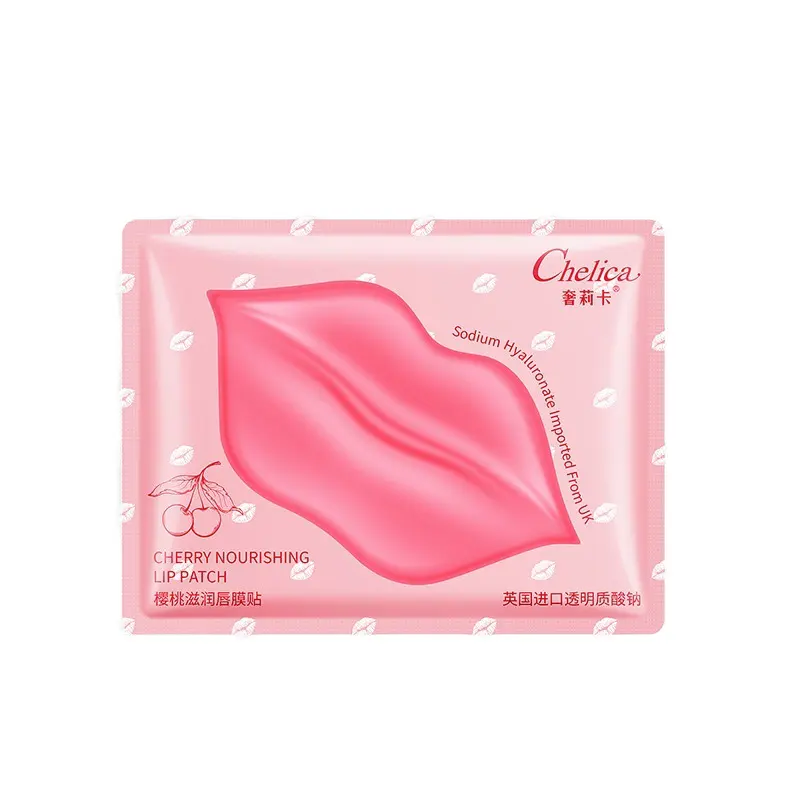
Retention runs across the lip mask range; the release documentation continues in the batch record entry.
Reference: Retention sample procedures and complaint investigations, 2025

