Key takeaways
- Lead, arsenic, mercury and cadmium are the four that matter most.
- Pigments and mineral clays are the highest-risk materials.
- Test the raw material lots, not only the finished product.
Heavy metals in cosmetics come from pigments, mineral clays, plant materials and from contamination in manufacturing. The four that matter most are lead, arsenic, mercury and cadmium, and the limits are set per market with the strictest applying to products for children and for the eye area.
1. The limits
Limits vary by market and by product type. The EU sets impurity limits through the safety assessment rather than a single table, and the US applies its own thresholds. A global brand should adopt the strictest limit across its markets and apply it everywhere, which simplifies the supply chain.
2. Where they come from
Iron oxide pigments can carry lead and arsenic. Mica and talc are mined and can carry a range of metals. Plant extracts can take up metals from soil. Water can carry them from pipework. The source determines the control: specification for minerals, supplier qualification for botanicals, monitoring for water.
3. The analysis
Inductively coupled plasma mass spectrometry is the standard method, with a digestion step. A total content result is not the same as a leachable result, and the specification should state which is required. A result without the method and the detection limit is not usable.
4. Talc and asbestos
Talc is a special case: it must be tested for asbestos by a defined method, because the two minerals can occur together. A talc-based pressed powder needs an asbestos result per lot. This is one of the few requirements with a specific analytical method named in regulation.
5. Sampling
Metals are not always evenly distributed in a mineral powder. The sample must be taken after milling and blending, and the specification should state the sample size. A result from a 1 g grab sample does not represent a 500 kg batch.
6. Supplier certificates
Ask for a heavy metal result per lot from the raw material supplier, and verify it periodically with your own testing. A supplier certificate that has been copied across lots is a certificate that describes one lot. Spot checks are how that is detected.
7. Colour and the pigment route
Bright pigments are more likely to carry impurities because of the synthesis route. A cheap pigment from an unqualified supplier is the highest-risk purchase in the formula. The specification should include the metal limits and the supplier should be qualified against them.
8. Children and lip products
Products intended for children, and products applied to the lips, face the strictest limits and the highest scrutiny. A lipstick with a bright red pigment is a product where the metal content is tested rather than assumed. The risk is small at compliant doses and real at non-compliant ones.
9. Records
Keep the raw material certificate, the in-house result, the method and the batch linkage. In a market enquiry, the ability to trace a finished batch to the raw material lots is what resolves the question quickly.
10. Cost
A heavy metal panel costs a few hundred dollars per sample. Testing every lot is expensive; testing a supplier’s lots on a defined frequency and auditing the supplier is the practical balance. The cost of a recall is orders of magnitude larger than the testing.
11. Where it fits
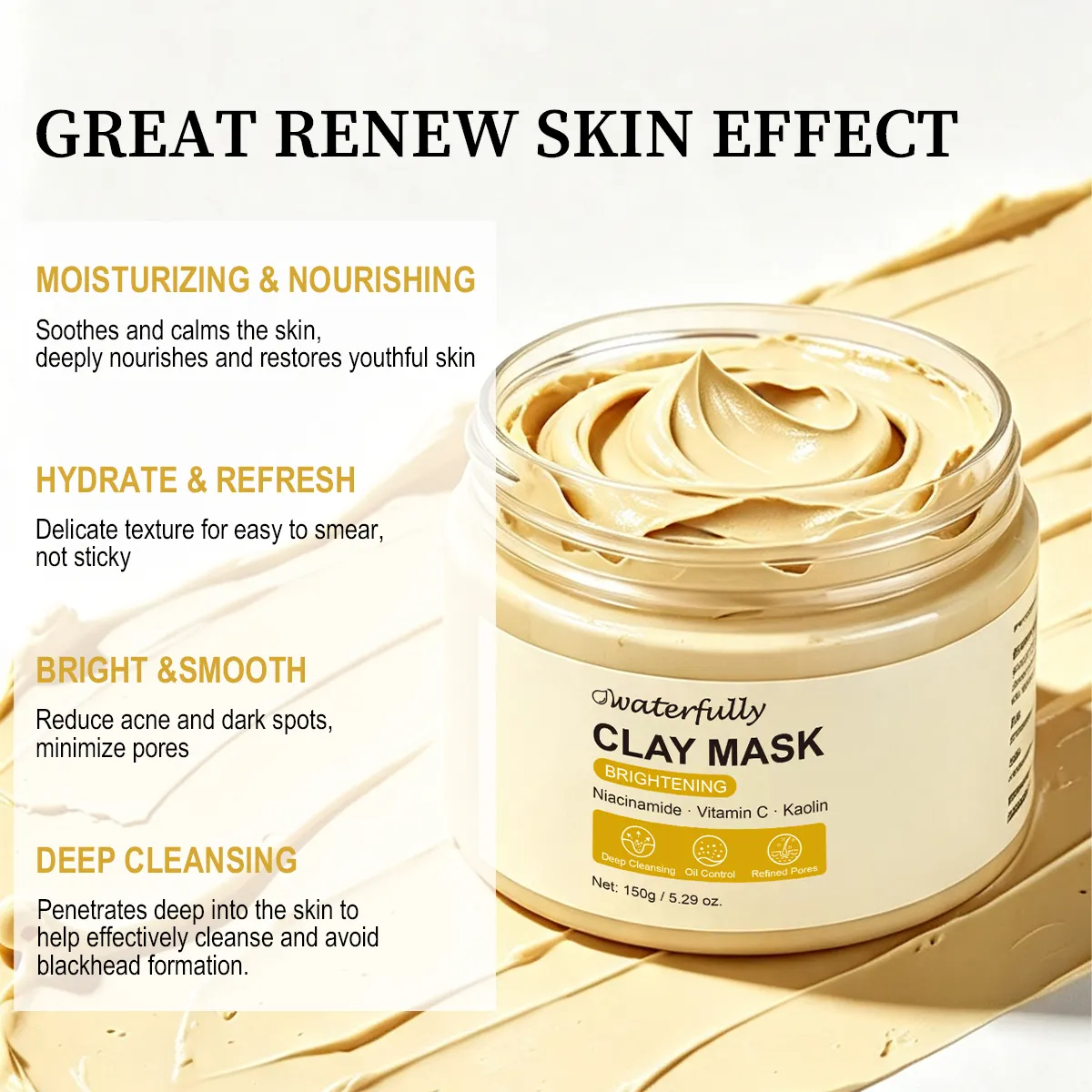
Metal control runs across the clay mask range; the raw material route continues in the sourcing entry.
Reference: Heavy metal specifications and raw material test records, 2025

