Key takeaways
- ISO 17516 sets cosmetic microbiological limits by product category.
- Absence of specified pathogens is separate from the total count.
- A count below the limit with a pathogen present still fails.
Microbial limits define how many microorganisms a cosmetic may contain and which ones must be absent. The limits are set by product category, measured by a defined method, and applied to a sample from a defined batch. A count that passes the total limit while a specified pathogen is present is a failing batch.
1. The limits
ISO 17516 sets limits by category: products for the eye area and for children have the tightest limits, general products allow more, and products with a high alcohol content are assessed differently. A total aerobic count below 1,000 CFU per gram is the common threshold for a general cosmetic, and below 100 for an eye product.
2. Specified pathogens
Staphylococcus aureus, Pseudomonas aeruginosa, Escherichia coli and Candida albicans must be absent in the defined sample size, typically 1 g. Absence is a separate criterion from the total count and both must be met.
3. The method
The method matters: a plate count, a membrane filtration and a most-probable-number method give different results on the same sample. The specification should name the method so that two labs produce comparable numbers. A result without a method is not a result.
4. Sampling
The sample must be representative of the batch and taken aseptically from the filled pack. A sample from the bulk tank does not represent the filled units, because the filling step can introduce organisms. Take from the first, middle and last units of the run.
5. Water
Water is the most common source of contamination in a cosmetic factory. Purified water should be tested at the point of use, not only at the treatment plant, and the result should be below 100 CFU per ml with no pathogens. A water system that is not sanitised on a schedule will contaminate every batch it serves.
6. Raw materials
Natural raw materials carry a bioburden: plant extracts, clays, butters and starches. The specification should set a limit per material, and a material above the limit should be rejected rather than treated. A high-bioburden material can overwhelm a well-designed preservative system.
7. Environmental monitoring
Air, surfaces and operator hands are monitored in a good factory. Settle plates and contact plates give a trend, and the trend predicts a problem before the batch fails. A factory without environmental monitoring is a factory that discovers contamination through complaints.
8. The failure path
A batch that exceeds the limit should be held, investigated and either reworked under a validated process or rejected. Re-testing the same sample until it passes is not a corrective action, and it is the most common bad practice in small factories.
9. Frequency
Test every batch for a launch, then move to a defined frequency once the process is stable. A brand that tests every tenth batch and never sees a failure has evidence about one in ten batches, not about the process.
10. Records
Keep the sample identification, the method, the raw counts, the analyst and the date. A certificate that states “compliant” without the counts is a statement of opinion. The counts are what allow a trend to be built.
11. Where it fits
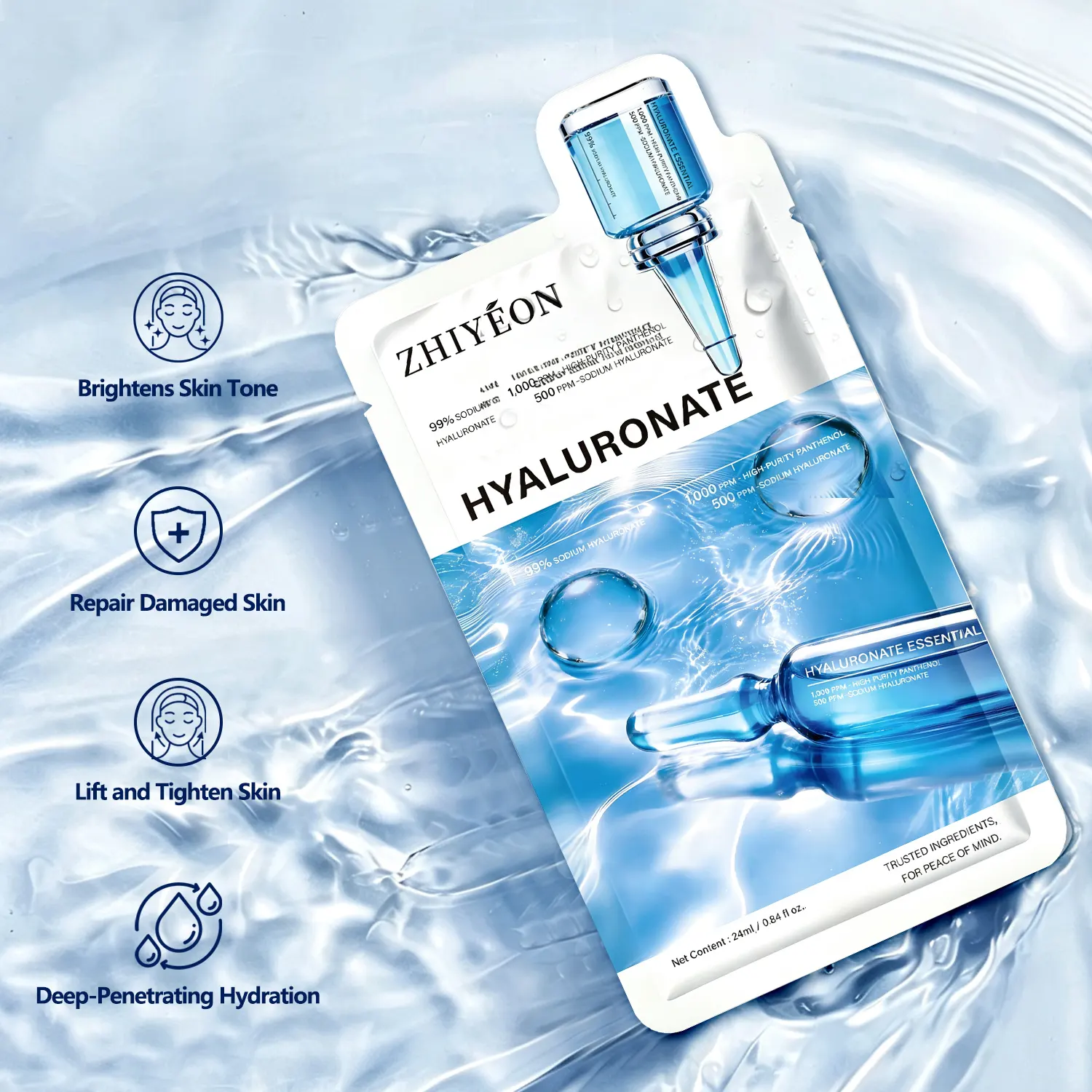
Microbial control runs across the sheet mask range; the preservative design continues in the challenge test entry.
Reference: Microbiological standards and batch release records, 2025