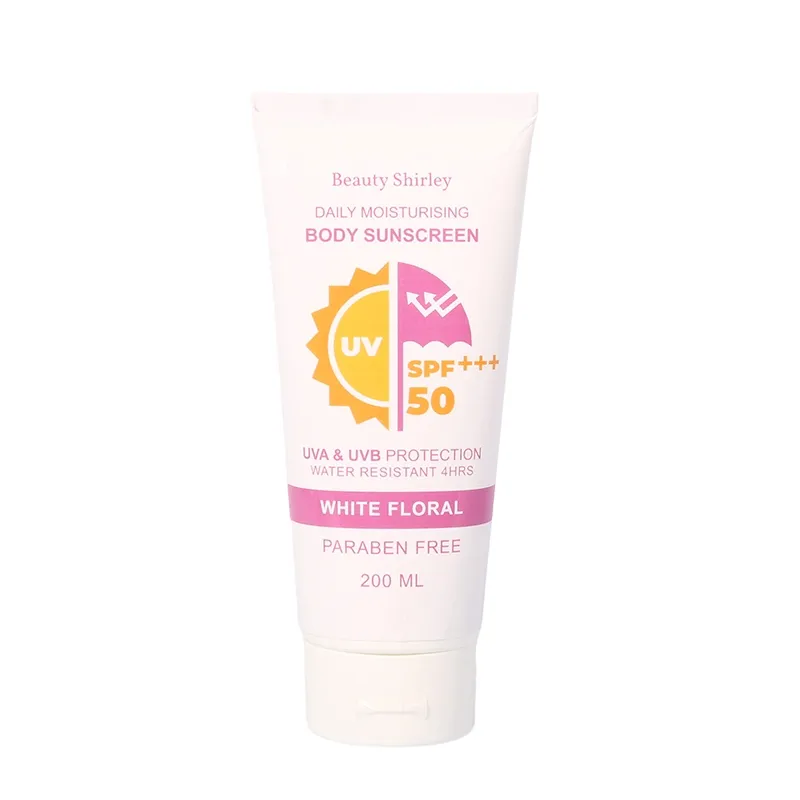
Key takeaways
- SPF is measured at 2 mg/cm² on human skin or in vitro; the dose in use is lower.
- Organic filters need a solvent system; mineral filters need dispersion and load.
- UVA protection is a separate test and a separate claim.
A sunscreen is a film-forming emulsion or anhydrous system that carries UV filters and forms a protective layer on skin. The filter list gets the attention, and the film gets the result: the vehicle, the film thickness and the dispersion decide whether a formula reaches SPF 30 or 50.
1. Organic filters
Organic filters such as avobenzone, octocrylene and bemotrizinol are oil-soluble and need a solvent system that keeps them dissolved and photostable. Avobenzone degrades under UV unless it is stabilised with octocrylene or a specific photostabiliser. A sunscreen without that pairing loses UVA protection within an hour of sun exposure.
2. Mineral filters
Zinc oxide and titanium dioxide work by scattering and absorption, and their performance depends on particle size and dispersion. A mineral-only SPF 50 needs 20 to 25 percent filter, which is a texture constraint more than a regulatory one.
3. The vehicle
Water-in-oil emulsions resist water and sweat and are the standard for beach products. Oil-in-water emulsions feel lighter and are used for daily wear. An anhydrous stick or gel suits reapplication. The vehicle decides water resistance more than any single filter.
4. Film thickness
SPF is measured at 2 mg per square centimetre. A real application is often half that, which halves the effective protection by a non-linear relationship. This is why a labelled SPF 50 can behave like SPF 15 in use, and why the instruction to reapply matters more than the number.
5. Water resistance
Water resistance is measured after two 20-minute immersions and is a separate claim from SPF. A formula can be SPF 50 and not water resistant. The claim requires the test and the wording is regulated in most markets.
6. UVA protection
UVA protection is measured with an in-vitro method such as ISO 24443 and expressed as a UVA-PF or a ratio to SPF. “Broad spectrum” is a threshold claim, not a description. A high SPF with weak UVA is the classic failure of an unbalanced filter system.
7. Photostability
Test the formula under UV exposure and re-measure the SPF, not only the absorbance at release. A formula that drops 30 percent after two hours of simulated sun is a formula that needs a photostabiliser or a different filter combination.
8. Texture and the ceiling
High SPF requires high filter load, and high filter load makes a formula heavy and prone to pilling under makeup. The commercial ceiling for a wearable daily product is usually SPF 30 to 50 with a light vehicle; anything higher becomes a beach product by necessity.
9. Preservation and pH
Sunscreens are often water-in-oil with a low water phase, which limits microbial risk but does not remove it. Preservatives must be compatible with the filters, and the pH should be checked because some organic filters hydrolyse outside a narrow band.
10. Claims and labelling
Every market regulates sunscreen differently: the US treats it as a drug, the EU as a cosmetic with specific tests, and Asia has its own SPF measurement standards. A single formula can be sold in all three, but the labels and the test reports cannot be shared.
11. Where it fits
Sunscreen sits in the sunscreen range; the filter detail continues in the titanium dioxide entry.
Reference: Sunscreen development records and SPF test summaries, 2024–2026

