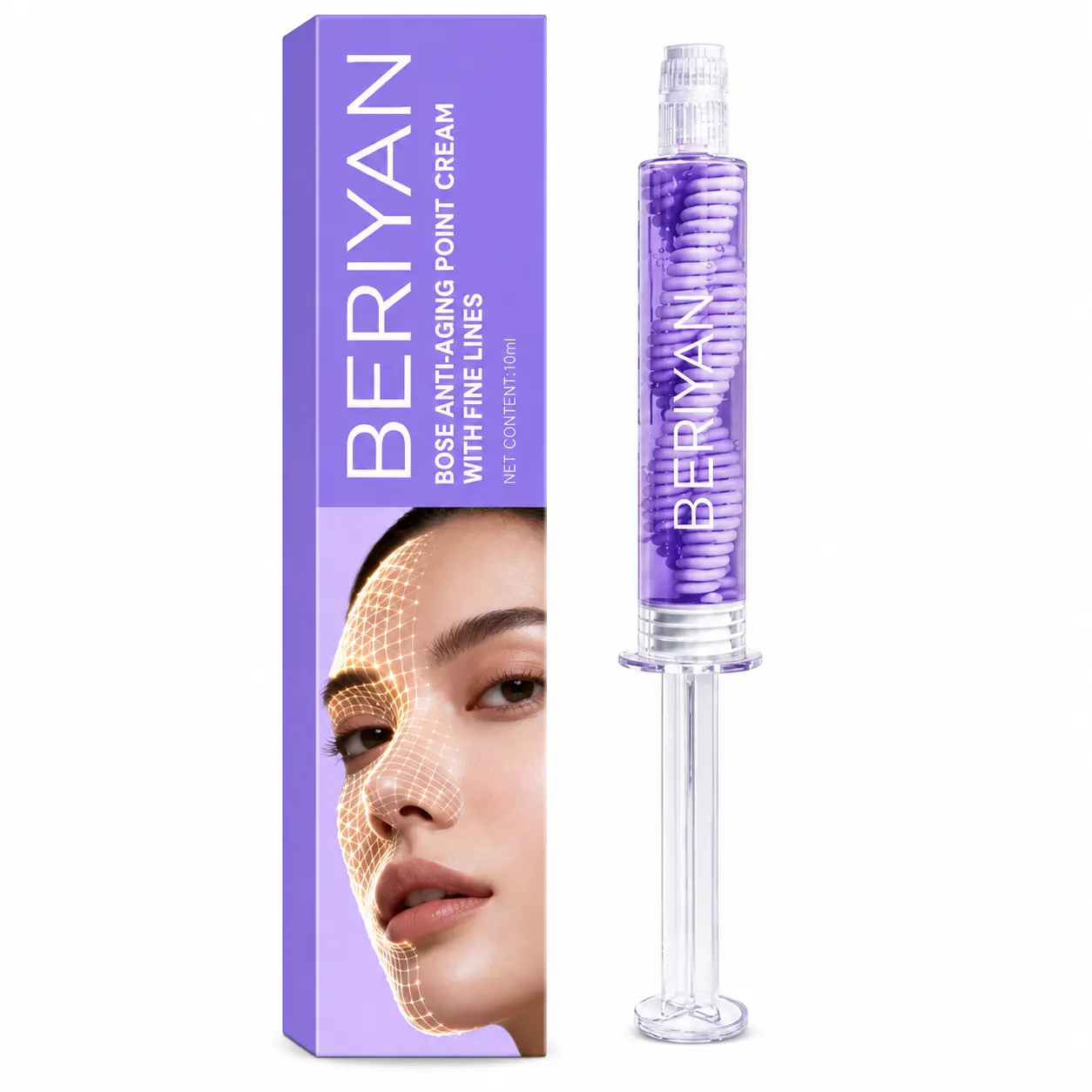
A brief arrives with four claims in one sentence and no test behind any of them. That is the normal state of a 10 ml syringe face cream project, and the work of the next two weeks is deciding which of the four survive. The syringe matters here because it is a dosing device: a plunger delivers a repeatable 0.05 to 0.1 ml to a point the size of a spot, so a claim about a small area can be tested as a small area rather than as a whole face.
The mapping nobody puts on a quotation
| Claim on the carton | What is measured | Instrument or protocol | Where it usually fails |
|---|---|---|---|
| Anti-aging | Wrinkle depth and count in a fixed site | Standardised imaging with raking light, graded before and after | Panel size too small to separate from noise |
| Firming | Elasticity and firmness parameters | Cutometer or equivalent, R2 and R5 at set suction | Measurement taken at the wrong temperature and humidity |
| Brightening | Colour change at a defined site | Chromameter, L* and ITA°, or calibrated imaging | No untreated control site, so daylight is credited to the cream |
| Spot treatment | Appearance of a defined spot over time | Fixed-distance photography under fixed light | The word “treatment” itself, in most markets |
Each row has a different tolerance for a weak result. Brightening can be carried by a 4-week instrumental study on 20 to 30 subjects; firming needs an instrument and a controlled room; a spot claim is the hardest, because the visible change in a single blemish is partly healing that would have happened anyway — which is why the honest version of that claim is about appearance and never about the lesion.
What a syringe format changes about the study
A 10 ml unit carries 15 to 25 applications of 0.05 to 0.1 ml. That is enough for a 4-week split-face study on one subject with a control site, and it is almost exactly what a claim file needs: a fixed dose, a fixed area, a fixed number of applications. A jar cannot make that promise, because the consumer’s finger takes an unknown quantity each time.
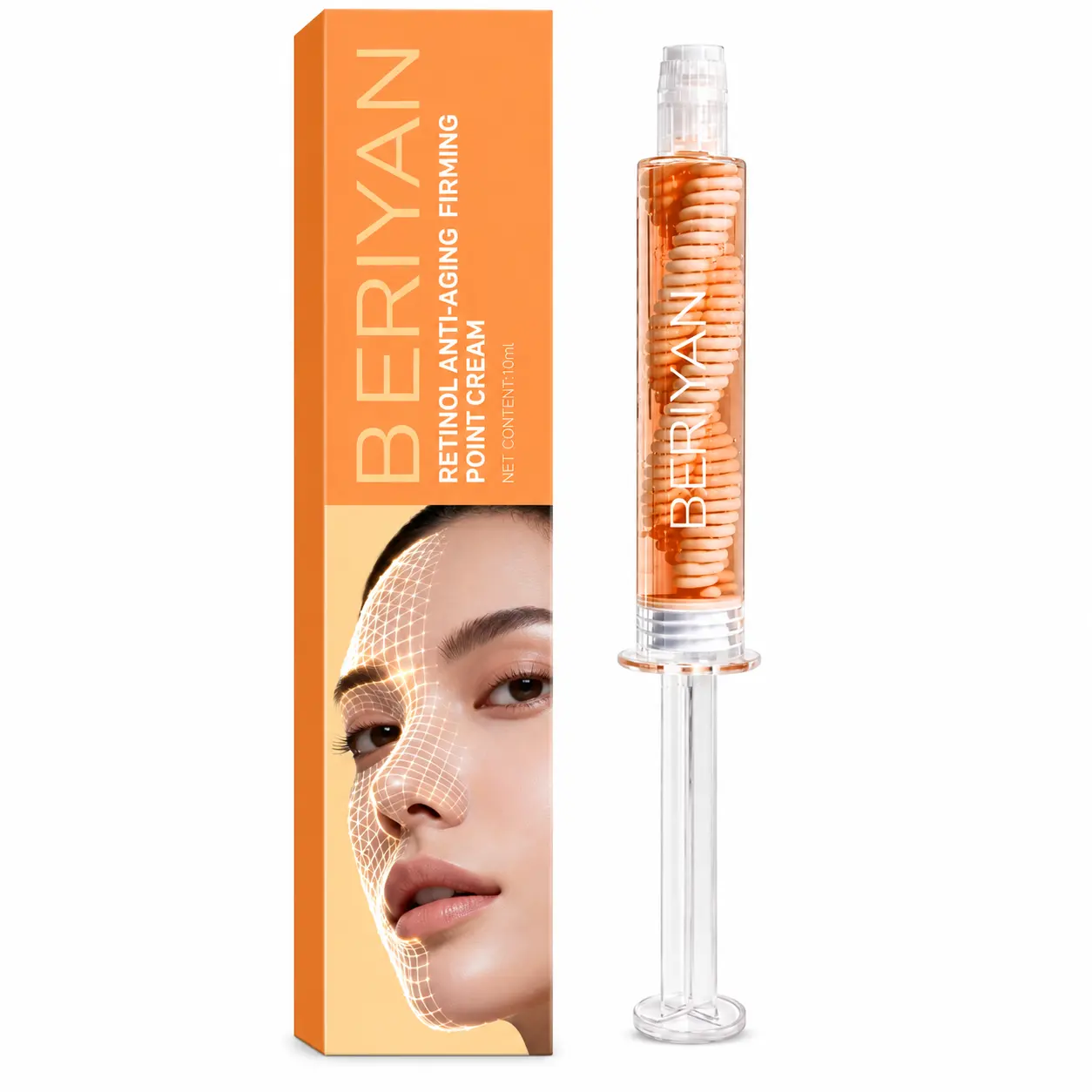
The format has costs too. A cream in a syringe has a large product-to-air interface at the tip, so the top few millimetres dry out between uses unless the tip is capped; and the preservative system is challenged at that interface rather than in the bulk. Both are stability questions, not marketing ones, and both are answered before a claim study starts.
Regulatory wording decides which test is worth paying for
In the EU and ASEAN the same physical result can be described in three ways with three different evidence burdens. “Reduces the appearance of fine lines” is a cosmetic claim with an instrumental study behind it. “Firms” needs an elasticity endpoint. “Treats spots” drifts into medicinal territory in most markets and is the one phrase our regulatory review usually sends back. The claim wording review sits with the brief, before panels are booked, because paying for a study that supports a sentence you cannot print is the most expensive mistake in this category.
The cream range covers the same base in jar, tube and pump formats, so a claim file built on the syringe transfers to a larger pack with a new dose statement rather than a new study. Where a claim turns on an active threshold rather than a format, the niacinamide 5 or 10 percent note sets out how the number is proven.
The service side, in numbers
This format starts at 3,000 pieces, with tiers at 3,000 to 49,999, 50,000 to 99,999 and 100,000+, in three stock colours — purple, orange and blue — with a stock or custom base and the first sample in 10 to 15 days. Lead time is 25 to 35 days after artwork sign-off, shelf life 36 months unopened and 12 months after opening, and every batch ships with a COA and stability file from an ISO 22716 and GMPC plant. Custom tooling for the syringe body starts from 1,000 pieces if the stock body does not fit the brief.
Four claims, four tests, one decision about which of them the budget will carry. Send the claim sentences as they would print, and the reply maps each one to the study it needs and the wording it will survive.