A printed pouch quote often carries a line item that surprises first-time buyers: cylinder or plate charges, billed once and stored for later runs. Understanding what that fee buys, and when it stops making sense, usually changes the packaging decision more than the price per thousand does.
1. Why the first order costs more
Gravure printing transfers ink from an engraved metal cylinder, so every colour needs its own cylinder. The engraving is a one-off cost that sits outside the unit price. On a four-colour design, cylinder charges can equal the value of several thousand pouches, which is why the first order looks expensive and the third looks cheap.
2. How cylinders are priced
Price scales with circumference and width, so a wider pouch costs more per cylinder even with the same artwork. A typical mid-size pouch cylinder is quoted per colour with a repeat charge if the design changes. Most suppliers store cylinders for two to three years at no charge, then either scrap them or bill storage.
3. Plate count and colour count
Every spot colour is a cylinder. Brands that reduce a design from six colours to four, using process builds instead of spot inks, cut the setup by a third. The trade-off is that process builds drift more between runs, which matters on brand colours and on anything with a fine gradient.
4. Digital print as the low-volume route
Digital pouch printing has no cylinder cost and a higher unit cost. Below roughly 3,000 to 5,000 units, digital usually wins on total spend. Above that, gravure pulls ahead quickly. The crossover moves with pouch size and colour count, so ask for both quotes on the same artwork before deciding.
5. Registration and trapping tolerances
Gravure holds registration tightly, typically within 0.2 to 0.3 mm, but artwork still needs trapping where colours meet. Thin white text reversed out of a dark field is the classic failure: at 4 point it fills in. Keep reversed type at 6 point or above and avoid hairlines under 0.25 mm.
6. Laminate structure and print order
Surface printing sits on the outside and needs a protective varnish. Reverse printing puts the ink behind the laminate film, which protects it but limits the substrate choice. Most cosmetic sachets are reverse printed on a metallised or aluminium-containing laminate, which is also why they resist oxygen and light.
7. Minimum run length that makes sense
Gravure becomes economical somewhere between 5,000 and 10,000 units depending on size and colour count. Splitting a design across several SKUs multiplies cylinders. If a launch covers three variants, printing one base design plus a variant panel costs less than three separate artworks.
8. Artwork that survives the press
Supply vector files with fonts outlined, colours as spot references, and a dieline that matches the supplier’s tooling rather than a stock template. Ask for a proof on the actual laminate, not on paper. Paper proofs hide how metallised film shifts a brand colour.
9. Reordering and cylinder storage
Once cylinders exist, reorders avoid the setup and the unit price drops noticeably. That makes the second order the real test of a supplier relationship. Confirm in writing how long cylinders are held, what triggers a re-engrave, and whether artwork revisions reuse or replace them.
10. Where it fits
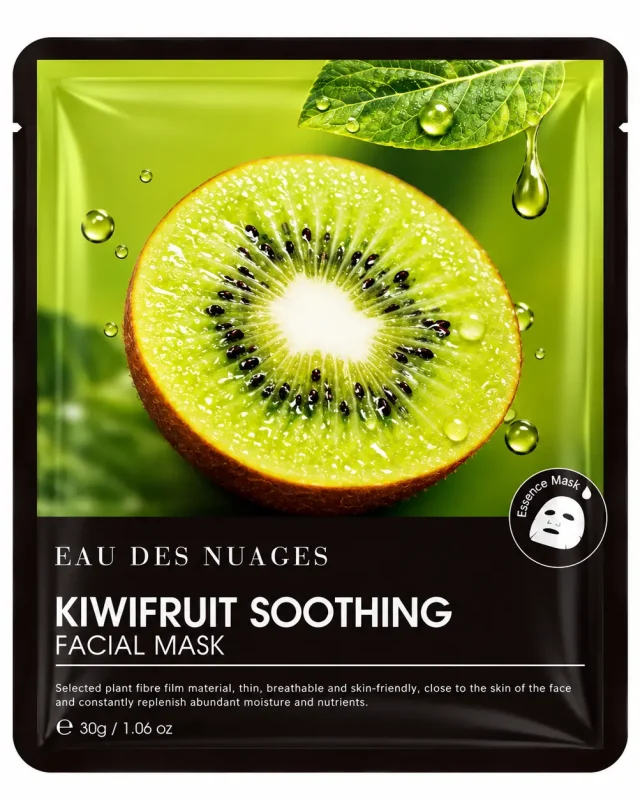
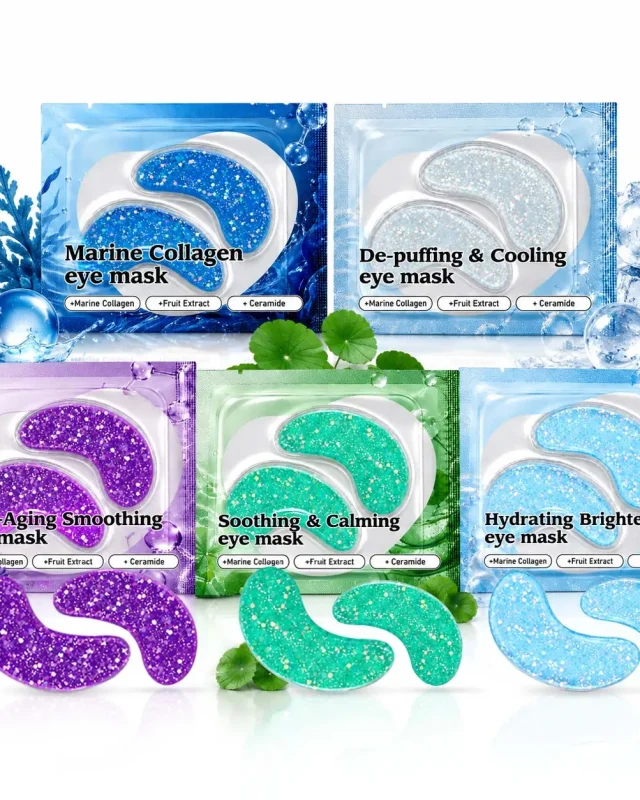
Sachets and pouches dominate sheet mask and eye patch formats. Compare formats in the catalogue or read packaging notes.